

By Paloma Mairone
It’s 2022, and social media is a bigger part of our lives than ever before. We may see content on Instagram or TikTok where people claim they have post-traumatic stress disorder, or PTSD. But have they actually been diagnosed by a GP or a psychiatrist – or did they self-diagnose with trusty old Dr Google?
We all have a whole world of answers in the palm of our hands – literally. Our smartphones can allow us to search up wide and far for symptoms that suit a particular illness, especially mental health.
Has you ever felt particularly down or had obsessive thoughts, so you type in the search bar online “why am I getting obsessive thoughts?” and the doc tells you it’s a symptom of PTSD?
You may have, or you might just be experiencing temporary stress which is equally important to talk about before the problem turns into a mental health illness. It is important to speak out when you are not feeling your normal happy self.
“There are currently more than 200 recognized forms of mental illness, ranging from depression to anxiety disorders and schizophrenia to PTSD, and when you turn to the internet for answers, you may head down a path that worsens your symptoms and overall quality of life,” writes Dr Todd Thatcher from the Highland Spring Clinic.
“The message here is do not diagnose yourself on the internet.”
What is PTSD?
We all experience unpleasant events, and they can have a profound effect on us. But actual post-traumatic stress disorder occurs after an individual experiences a trauma, and then relives it again and again through nightmares and flashbacks.
According to the NHS, people who actually suffer from PTSD “may also have problems sleeping, such as insomnia, and find concentrating difficult. These symptoms are often severe and persistent enough to have a significant impact on the person’s day-to-day life.”
PTSD can be triggered by a variety of events, such as a car accident, sexual assault, or difficult childbirth. When these events happen repeatedly – such as childhood sexual abuse – the resultant diagnosis may be what is known as “complex PTSD”.
When difficult events occur early in childhood, they can often have more of a profound impact on an individual’s life, and can affect how a child develops.
PTSD from childhood
Nutritionist and personal trainer Shayne Maka, 35, has suffered from PTSD from childhood. “It makes memories that one would want to forget resurface,” he explains. These can occur so often that it begins to become traumatic, and the thoughts can become invasive and overwhelming.
Shayne says his PTSD stems from being in a house fire when he was two years old, for which he has received life-long treatment. He has had reconstructive surgery but has been left with visible scars, which have added to his PTSD. He says that people always look at him in public, which made him feel particularly self-conscious and has drawn attention to his trauma.
Some people, like Shayne, say they have gained a sense of comfort in leaning on God; which can be a positive way of dealing with mental health.
“My therapy is the Bible,” says Shayne. “People can try to understand your pain or your standpoint. No one has walked in your shoes. We all have our own life experiences. We need someone who has no trauma, the most high. God is the best for that.”
Shayne said that realising that all members of society today have experienced stress or a kind of trauma one way or another. “Every human goes through something; it makes you realize that it’s a normal aspect of life and that helps you move forward – that gives me comfort.”
Almost one in 10
About eight people in 100 will experience PTSD symptoms at some point in their lifetime, according to Brainline.org.
It can, however, be embarrassing for some people to admit as they don’t want to draw attention to themselves or just don’t want to acknowledge they are suffering. “No one wants to admit they have trauma; it can be seen as vulnerability – and for a man that’s hard to come to terms with sometimes,” says Shayne.
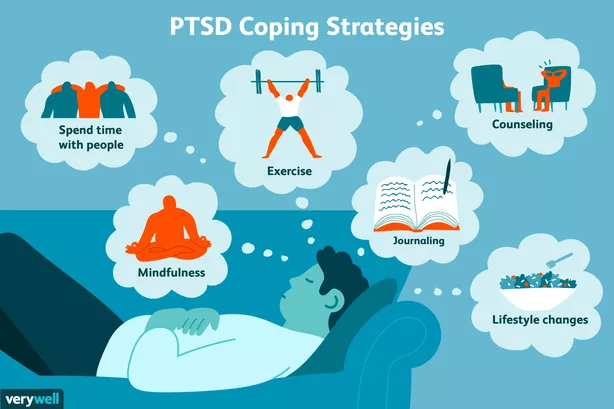
There are many types of cures for PTSD: talk to your GP who may prescribe medication and/or set up psychological help from a counsellor or psychiatrist. But the main important thing here is to get diagnosed – by a professional – before telling yourself and others you have PTSD.
So however you’re feeling, always speak out and get the help you need. And whatever you do, remember that Dr Google is not your best friend!
Leave a Reply