
By: Alexandra Cimpeanu
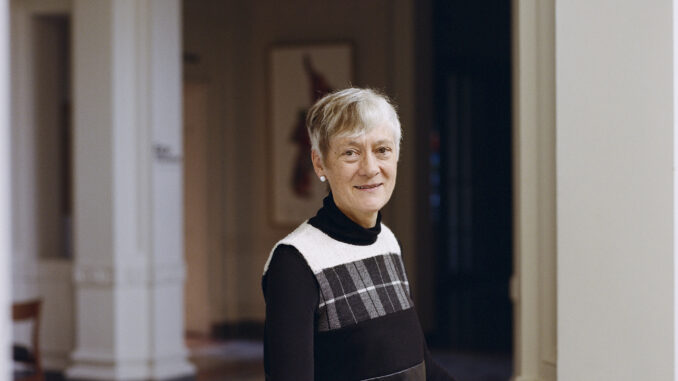
“I didn’t want to be the President to cancel the Summer Exhibition,” says Rebecca Salter, who was elected President of the Royal Academy in late 2019.
From those losing their jobs and following their passions to others enjoying the results, we can all agree that in spite of what is being said, art IS essential. You don’t realise you’re art hungry until your favourite musician hasn’t dropped that new album, the freelance illustrator you liked hasn’t posted on Instagram for ages, and the museum where you could spend a whole day and not feel tired is shut.
The Royal Academy of Arts in Piccadilly has been the home of independent contemporary artists and renowned exhibitions for 252 years. The last show they had before their doors closed for the third time was “Emin/Munch- Loneliness of the Soul”. During the pandemic they had to postpone the schedule and cancel two of the exhibitions planned.
RA President Rebecca Salter was elected to the post at the end of 2019- the first female in the RA’s 252 years’ history and told Holloway Express that it’s not a good time to be president.
She described the challenges the art world in general – and the RA in particular – has faced over a year like no other.
They have applied for government support, but were unsuccessful.
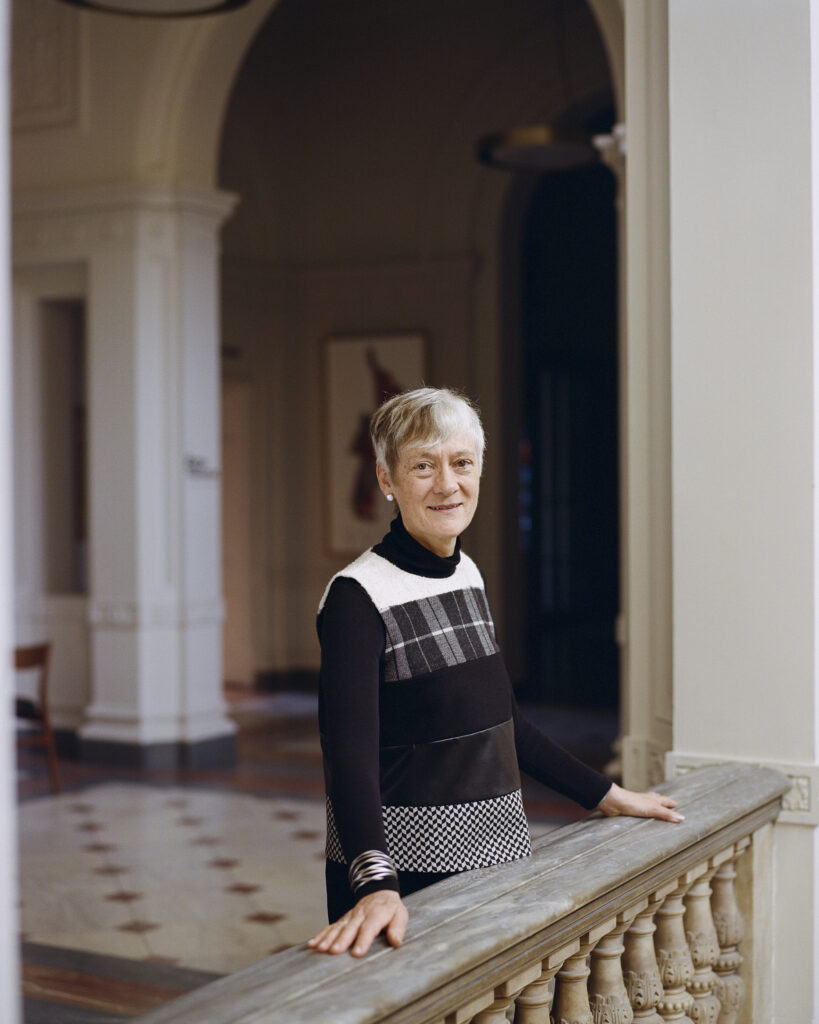
“When we close our doors, we have no income, although we’ve always been independent,” she said.
Abstract artist at core
At core, Salter is an abstract artist, and she is currently conducting much of her work from her studio based in Crouch End. “My real job is to be an artist,” she says, but being the President of one of the UK’s most venerated artistic bodies has also given her a unique role to play, facing a challenge like no other in the RA’s history.
Being President means representing the organization, and Salter said the RA would fight so the creative arts do not become “regrettable collateral damage of the pandemic”. She said: “I’m determined that won’t happen to the RA.”
Last year, she took the decision that rather than cancel the RA’s celebrated open-to-all summer exhibition – which enjoys 250 years of uninterrupted annual shows – it would be moved to the Autumn and Winter. The effort she and her colleagues made were appreciated by the visitors who, under careful supervision, where allowed to attend the RA’s Piccadilly show.
The public’s response was positive: better later than not at all.
Salter said: “I think people really understand how complicated it is trying to put together an exhibition programme.”
There is plenty of work involved in the organization too, so a job for many people, from curators to drivers, press and artists themselves.
“It’s the artists’ opportunity to sell work, which sometimes can be their income for the whole year,” said Salter.
Funding issues
Museums and galleries face tough obstacles when it comes loans and collaborations with other institutes, added Salter, as funding issues hit budgets for big blockbuster shows. Added to this, job losses among staff makes loans harder to arrange.
She said: “We’ve got exhibitions that should be somewhere else, they’ve got exhibitions that should be here.”
Transporting valuable works of art has been made more difficult due to Covid-related travel restrictions, and Brexit has made a difficult situation worse.
“I just sent some of my work to Germany and felt the difference: before I would have just wrapped it and sent it, but now there’s so much paperwork,” Salter said.
The RA had to cancel two exhibitions planned for last year.
“A curator will have been working on those exhibitions for years sometimes- it’s heart-breaking,” she said.
Some of them, including the Summer/Winter exhibition, have been made available online, as virtual tours. Salter believes art institutions can use the experience of lockdown to discover ways to reach new audiences, mentioning those from abroad being able to see the art online.
“I am hoping we become very clever about how we take our art to different constituencies,” she said. “So much art is about the feel and touch- people are fed up with screens, they want to see the real thing.”
Going to the RA, in between lockdowns has changed too – with timed tickets, social distancing, masks and lots of cleaning. “People felt very safe,” she said.
Salter said the thing people miss most about pre-Covid RA is the sense of community. It’s not only the staff, but also the over 120 academicians who are like family.
She said: “Our 101 years-old academician died in February. It’s a bit like having grandparents and great-grandparents.”
During lockdown, she has been telephoning the eldest of the academicians to check how they’ve been coping.
“Normally when we open a new exhibition, I stand at the top of the staircase and shake everybody’s hand- that’s unimaginable now,” she said.
An optimistic outlook
After her first dose of the vaccine, Salter feels hopeful about the return of art, with or without vaccine passports.
“In principle, Royal Academy should be open to everyone, but as a responsible organization, we’ll have to respect the regulations that may be put in place,” she said.
Ms Salter and her team are looking forward to the gradual easing of restrictions with the RA opening its doors to the public from May 18th – giving them a chance to see the Emin/Munch exhibition if they didn’t yet have one – as well as new exhibitions – to feed everyone’s art hunger.
Leave a Reply