
By Evie Smith-Adams, Simone Limbu, and Sahra Sancar
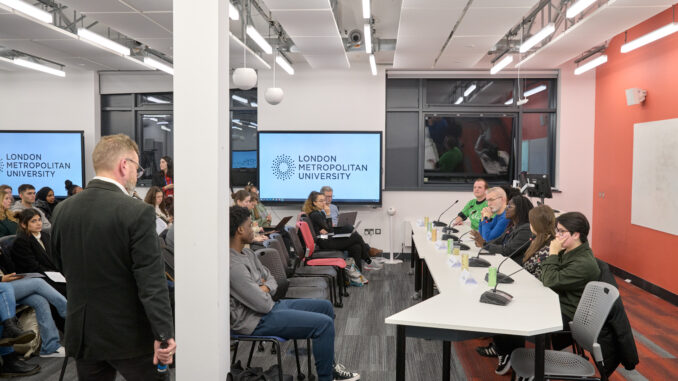
With the cost-of-living crisis dramatically affecting everyday people’s lives, with many turning to food banks, and child poverty on the rise, a debate was held last night at London Metropolitan University to discuss the causes and effects.
The panellists all brought their views and personal experiences to the conversation, highlighting the main issues we as a society are currently facing and how and where changes need to be made.
Andrew Boff, a conservative chair member at the London Assembly, said: “Every hungry child should make us all ashamed, it’s poverty we have to attack, more jobs are needed.”
Nicholas Kerle, Kitchen manager at the Felix Project, added: “This is a decades-old problem, there is no support, only some boroughs have a single hot meal a day. This should not be a debate. There should be action.”
The panellists expressed how they often see children who haven’t eaten all day.
Sophie Balmer and Liv Eren, who work at the End Child Poverty Coalition, spoke on their own experiences with going hungry. Balmer said: “It’s easier to reach out when you know what it’s like yourself.” Eren added: “One of the biggest issues is the stigma around it; the best thing is to talk about it.”
Should we be striking?
Strikes carry a stigma with them but how else is the public sector able to get its point across? The panellists discussed their opinions on the right to strike and the strikes that have taken place recently.
Boff expressed his negative feelings towards strikes. He said: “I think to put up the costs which is what a strike ultimately does; it doesn’t help in a cost of living crisis.”
Grace Graham, who works for the Federation of Small Businesses, added: “Any strike, especially tube strikes, affect small businesses. If you can’t get from A to B, how do you get to work? We are all affected by it, but as an activist ‘power to the people’.”
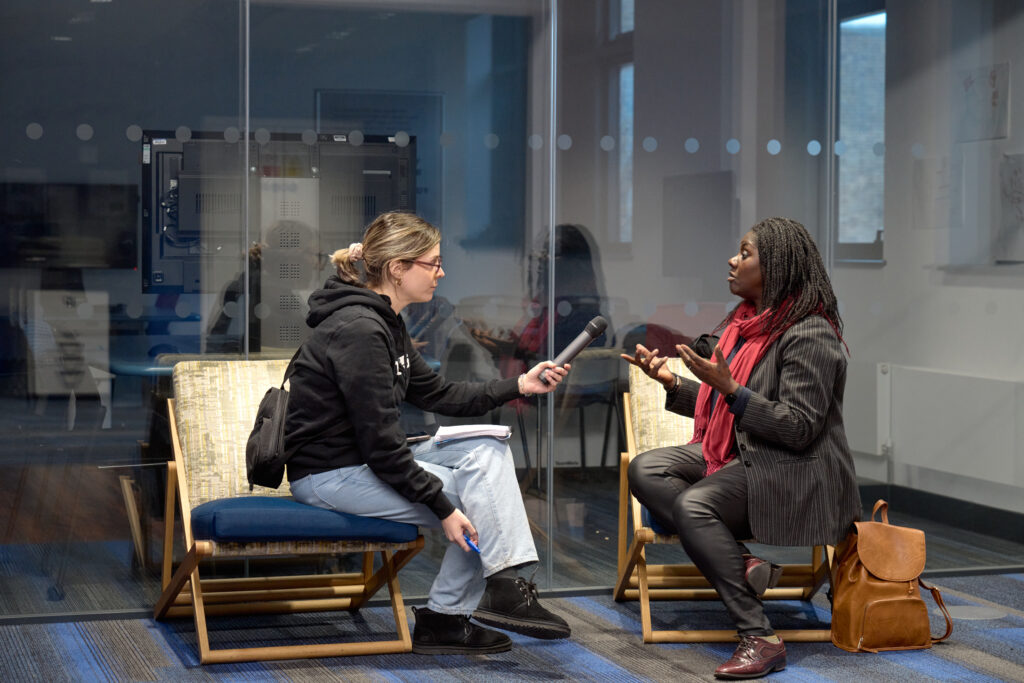
Many nurses are among those making use of food banks, they are earning more than the median yet they are still struggling to eat. They spend their lives helping others but are struggling to have a good quality of life.
Nikki Iyayi, who works for the period poverty organisation Bloody Good Period, said, “If you can’t strike what else can you do… how else can you be heard, what is the alternative?”
Food for everyone
The panellists discussed the importance of making sure everyone has access to food as so many people are struggling at the moment. It is estimated that 400,000 children in London alone will go to bed without dinner today.
Kerle explains how The Felix Project’s aim isn’t to simply provide people with food but to provide them with warm, healthy and nutritious meals.
“We try to supply nutritious food as this impacts mental health, it’s not just about surviving.”
Panellists discussed a Daily Mail article that asked the question: do public sector workers really need to use food banks?
Boff, said: “The Daily Mail story is made-up nonsense. People go to food banks because they need to go to food banks. They provide a marvellous facility and I do hope to see a day when we no longer need them.”
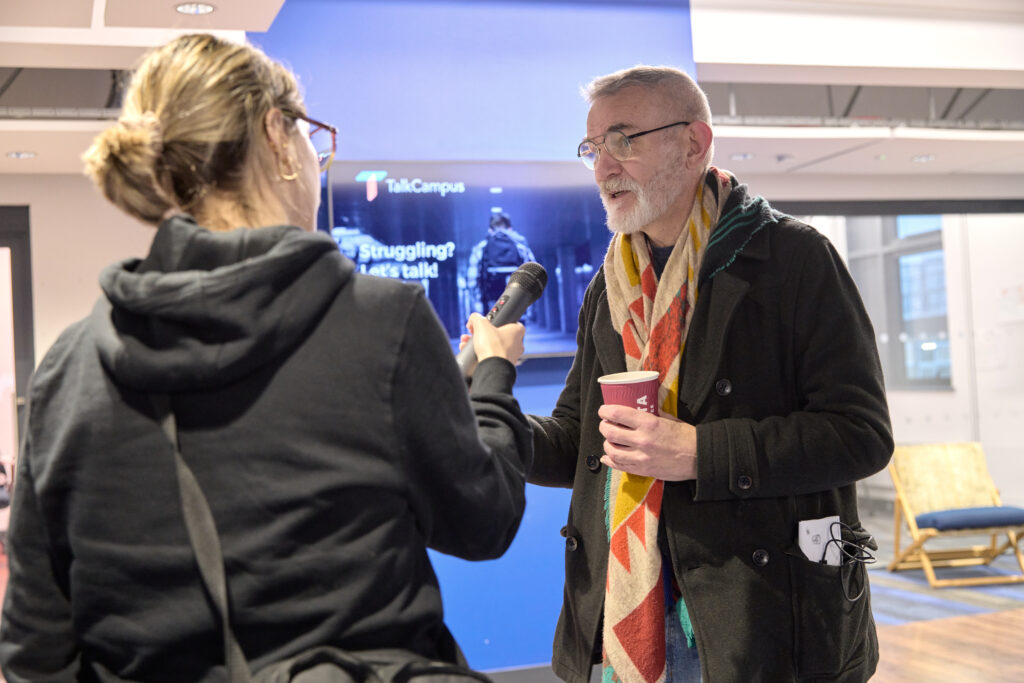
Kerle added: “The majority of people using food banks are families who work full time and get minimum wage. A lot of the people earning the least amount of money are the people working the hardest.”
The panellists discuss the rescheduling of the free school meals for all bill being read in parliament.
“Poverty is a political choice. Free school meals are a simple solution but when suggested people get ridiculed. We spend too much time arguing and bickering.”
What’s the root cause?
Throughout the panel, there were many discussions on the root cause of our being in this time of crisis. Events such as Brexit, the war in Ukraine and Covid-19 were brought up and discussed.
“The big issue is we’re still reeling from the pandemic. The government may help with electricity but they’re not helping with gas… business owners are having to put their prices up,” Graham said.
Added Iyayi: “As a society, it’s a disposable income crisis. Is it really living just paying your bills? When people get paid they have just enough money to pay their bills and nothing else… people shouldn’t be living like this.”
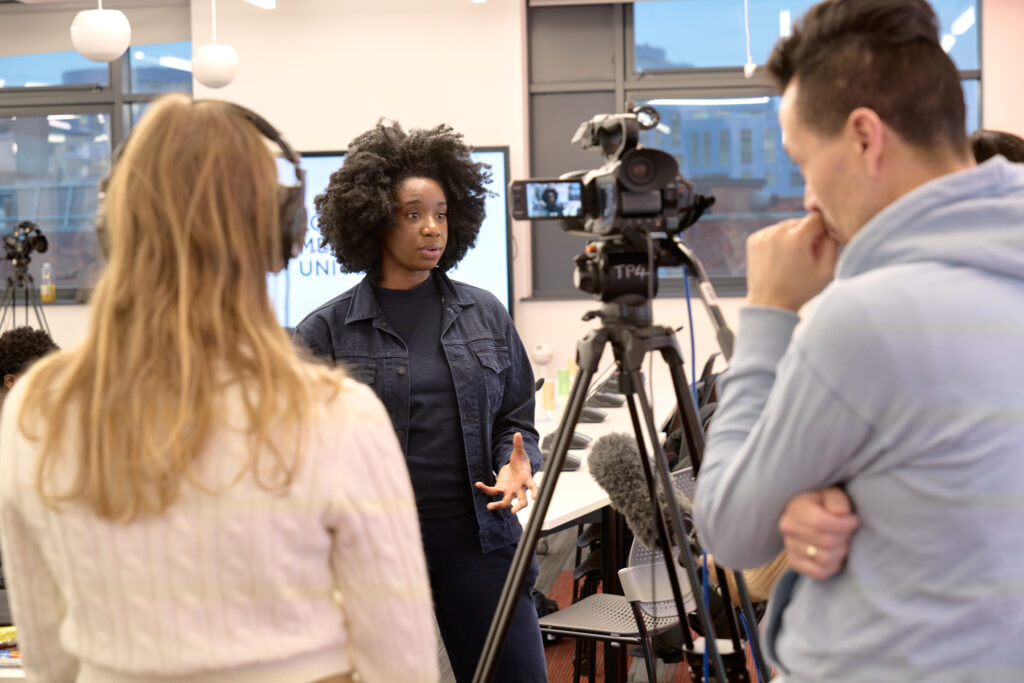
There was a discussion about the support of those in Ukraine. The panel members expressed that whilst their thoughts are with those in the country, especially those suffering the impact of war, their organisations do not focus on Ukrainians as their focus is on those struggling in the UK.
Graham added: “It’s not about who’s to blame but more about the situation.”
Leave a Reply