

By Carmen Garcia, Tessa Larcher and Oliver Morgan
The fearless pursuit of clothing conformity has spurred many questionable fashion trends. From arsenic dresses to mercury hats, the fashion industry has never been far from health-based controversy.
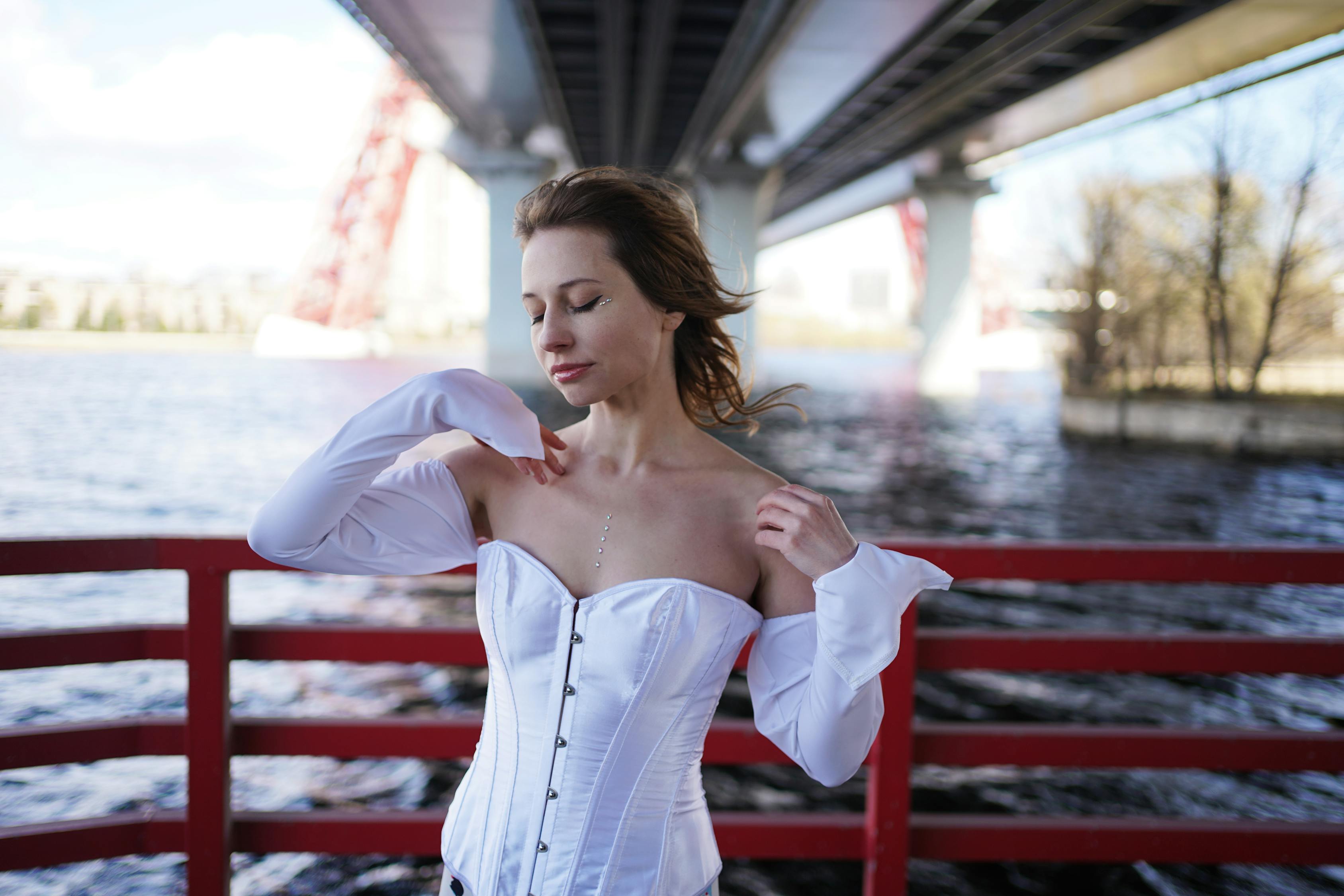
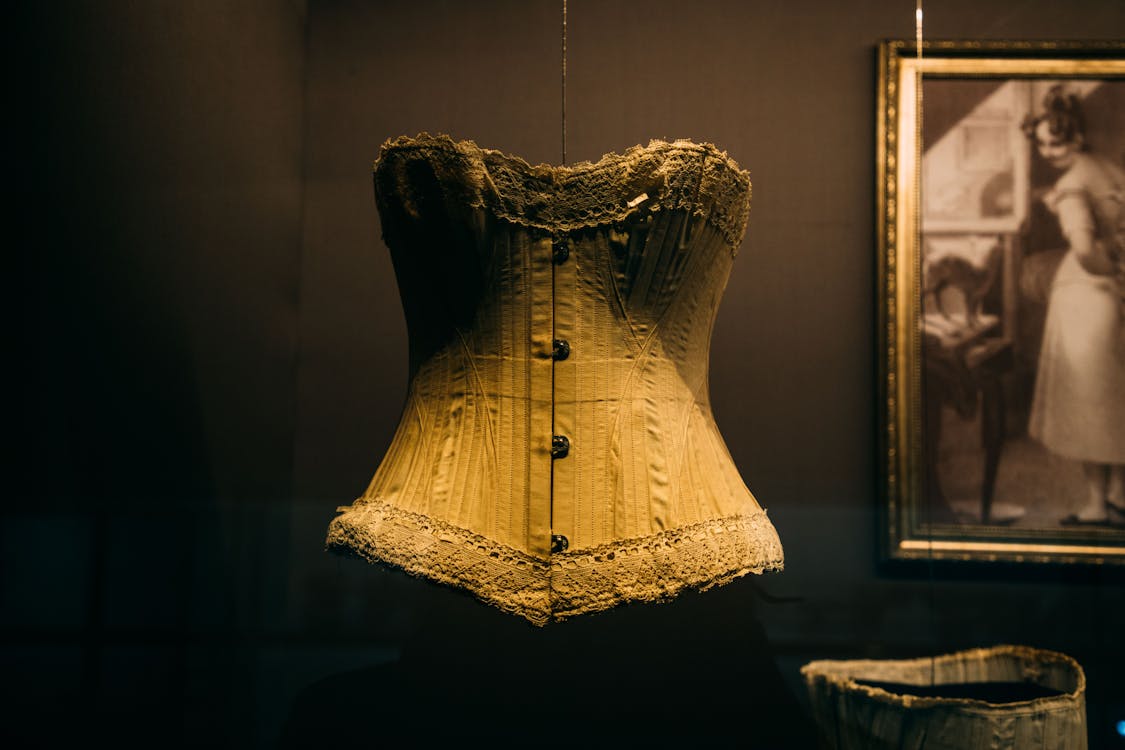
Arguably, the most famous example of perilous clothing is the use of corsets – and they’re making a comeback.
In the Victorian era the use of corsets was used primarily by women to achieve a “desirable” waist shape and was often used along with rib removal. Corsets in the Victorian era led to indigestion, constipation, internal bleeding and lung damage.
In 1903, a women was found with two pieces of steel in her heart after wearing a corset all her life, and many young women were led to an early grave because of the ubiquitous nature of the corset trend.
Could a resurgence in corset popularity lead to new health complications or are health and safety regulations in fashion far improved to allow such fate to meet modern wearers?
A viral trend
A recent TikTok trend in which thousands of women appear in corsets with a background song saying: “Nobody wants a waist of more than nine inches. So what makeup contains lead poison? At least your complexion will bring all the boys”, is breaking the Internet.
These videos have gone wildly viral on a social platform that is widely used by children and teenagers. Enter the hashtag “corset”, and you’ll see that these Tik Tok videos have accumulated more than 1,200 million views so far. In none of these videos no one would dare talk about all the dangers and consequences perpetrated.
It was by 2014 that the corset was reintroduced in women’s wardrobes, popularized by socialite Kim Kardashian who would post herself wearing a waist trainer on instagram. A waist trainer is an undergarment made up of thick fabric and hard metal boning, just similar to the corset, a new wearing tool which became one of the biggest fashion and workout trends of the past five years.
Kardashian’s body shape had impacted the hourglass’s ideal body type that most of Instagram’s influencers would expose, claiming it is thanks to the waist trainer they managed to get those results.
Dysmorphia and depression
It doesn’t make a lot of sense, as we are all aware that most of the influencers are paid to promote products via Instagram, and that their pictures are photoshopped or their body has been modified by plastic surgery. This creates insecurities to young women and girls, who can develop body dysmorphia and depression.
Those celebrities and influencers are using people’s insecurities and naivety to sell their products, which can impact badly physical and mental health at the same time.
“I used to wear a waist trainer thinking I would get the exact same results as those IG girls. I was really unconfident because my abusive ex would force me to wear this corset everyday hoping I would have Nicki Minaj’s body one day,” said Tessa Larcher, 26, a journalism student living in Hammersmith.
“I remember before going to work he would check if I wear my waist trainer. I had to keep it eight hours per day, but it was so painful that I would always remove it, it was torture.”
Men also sometimes wear corsets, except for the male physique the garment is designed to accentuate the classic V-shape from shoulders to the waist rather than the small waist.
Some men claim they have worn the corset for up to six weeks at a time without taking it off even once, even to shower.
Body positivity
Fortunately, the body positivity movement dismantled those beliefs, thanks to bloggers and Youtubers who spoke about their negative experience with the corset, highlighting the consequences on women’s – and occasionally men’s – bodies.
Doctors, nutritionists and fitness coaches have proved waist trainers are useless and if someone seeks body results, the best simple way is to exercise and eat healthy.
Also, more Youtubers, TikTok and Instagram users are using their platform to spread awareness on the toxicity of social media generated an impact on our body image nowadays, they all remind us that body acceptance and wellbeing are more important human values than superficiality.
Leave a Reply