

By Leo Ward
Picture credit: Oversnap
Islington, a densely populated borough of London, located in Zone 2 – just 10 minutes by tube from Oxford Street – has an estimated 60 cafes within the central borough. What was once a quiet borough with little business has now become a hidden gem within the London scene.
“Islington’s main drag has no shortage of places to fill up on great food, earning it the nickname ‘supper street’”
Suitcase Magazine
Islington business and culture
According to data released by Islington Council using figures from the Office for National Statistics, Islington recorded an estimated 21,170 active businesses in 2020. By 2025, that figure had risen to 23,335, representing an estimated increase of 2,165 businesses over five years.
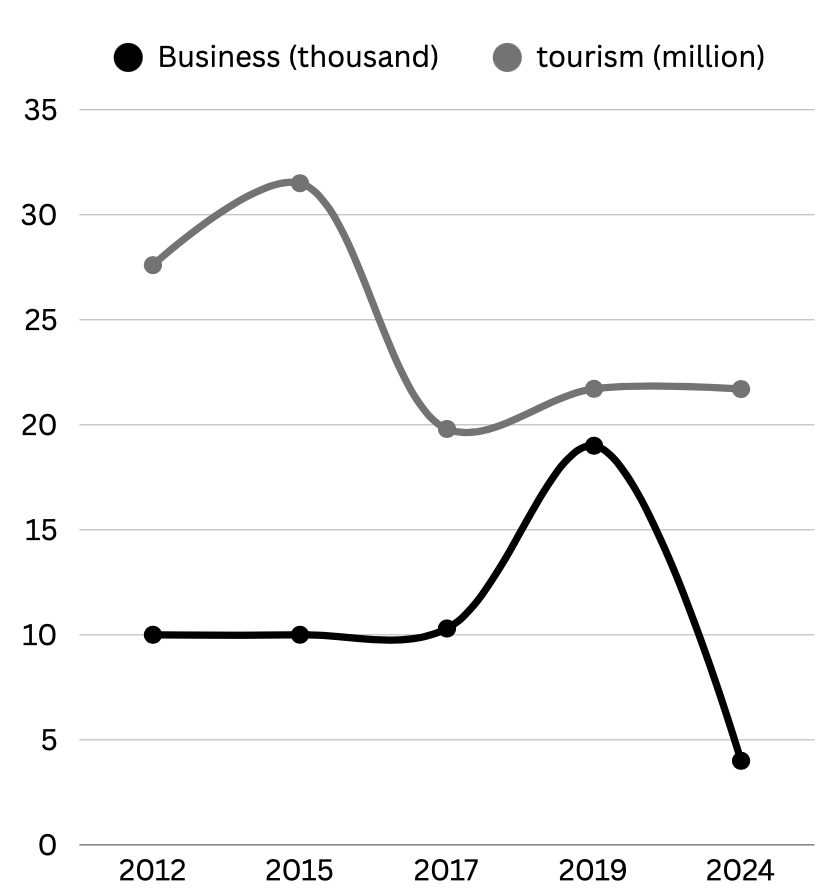
So why is Islington so popular? Islington’s popularity as a social and entertainment hub began in the eighteenth century with inns and tea gardens such as Conduit House. It turned into a music house (a modern-day venue) in 1683, a highly social and political area. This was up until the mid-twentieth century, when industries began to decline, and gentrification took over.
Modern Islington is now regarded for its vibrant culture, collected through history and its high density of restaurants and bars. The borough is also a high-commute area and has a dense population of residents working from home.
Cafes play a popular role within Islington, all with their own aesthetic identities and international specialities. All these cafes have the goal to appeal to their locals, and some try to stick out and attract influencers, but how do all the cafes within Islington stay in business?
A close look at Pierre Alix
Boulangerie Pierre Alix, located on Holloway Road within the borough of Islington, is a French café specialising in pastries. Pierre Alix’s first bakery opened in July 2022, located in Muswell Hill, a true atelier boutique and open workshop providing food and lessons to the community. Their second café-bakery later opened in November 2024.
James, a barista for Boulangerie Pierre Alix, said that cafes are a highly competitive business on Holloway Road and in the Islington area, they are all unique and adjust to fit their customers.
“We give them a warm welcome and provide excellent service, but apart from that, it is pretty competitive,” says James, but the café having a nationality is what helps Pierre Alix stand out from the others.
“Nat coffee is French, so we get a lot of Italians and the French and other Europeans,” he says, showing that the nationality of the café helps further tailor their group of customers. In contrast, others may want to go to a Greek café across the road.
Reviews on the Pierre Alix review page are proof that Pierre Alix’s French heritage helps maintain strong customer value. Martin writes, “If you want French pastries anywhere in north London, this is the spot.”

Credits: Bankkgraphy
Cafes After Covid
So, do the cafes of Islington keep Islington alive? 56% of Islington residents work from home. This can be both positive and negative for our mental health, and it is important to keep a defined work-life balance. Mind.orgeating lunch in a different area from where you work is a good way to add structure to working from home. It also says that walking can be beneficial, as it feels like a fake commute to work.
Cafes help define work and leisure when working remotely, they provide a great area to work from and not be stuck in your home all day. Seeing people walk in and out of the café and having an atmosphere helps create a better work environment in comparison to working in your quiet home.
Socialising and motivations are major issues within remote work, and it is important not to fall into lazy weekend habits or sleep in late. Going to a café to do your work helps you stay motivated and on focus with your work as opposed to working from your bed.
Abbi, age 29, is a Marketing Consultant working from home in Islington. Abbi said that she feels work is difficult to do at home, as you can fall into bad habits.
“Sometimes I wake up a minute before work, if I don’t expect a Zoom meeting, then there’s no reason to dress for work, it can feel like a rut.” She added: “home feels like work now, on the weekends I need to be out, otherwise there’s no separation to work.”
The Covid Effect
COVID caused many job operations to be moved out of the office and into the homes of the workers. Companies could not have just stopped their services; COVID was still new, and nobody knew how long it would last or how long society could function without many business services.
Workers stayed at home to work. Once COVID had died out, not everyone returned to the office. The University of Pennsylvania says remote work made people feel considerable improvements in workplace satisfaction. Remote work allowed them to take breaks they needed and to tackle difficult tasks at times they feel creative rather than within work hours.
Lamela Bistro says working in a café setting is a scenery change, and the hum of conversations stimulates the brain. Most humans need to be social, and working long hours with zero conversation will affect motivation.
There is a society of workers who base themselves in cafes, from studying students to freelance writers, all who want to escape an isolated room or change the scenery from a library. They gather to work alone, together, and not let the isolation of their work get to them.
Do cafes help Islington’s tourism?
Islington, home to Arsenal Stadium and Georgian landmarks, makes a small contribution to London’s tourism. Camden generated £1.2 billion in tourism during 2017, and Islington, being zone 2 of London, is very popular for Airbnb bookings.
With Islington being a common place for tourists to stay, restaurants, cafes and food shops benefit during busy seasons for London tourism.
Savanna, age 28, is a South African tourist visiting Islington. She says Islington has a very communal feel, and there are many restaurants within the area to choose from. “There’s like a lot of choice, I think, possibly too much” And when asked specifically about cafes “, Yeah, there’s a lot, I feel like most are European and diverse, a bit expensive”
Cafes have built the personality of Islington and contribute to the colourful display of shops and bustling pathways. Cafes not only help the residents of Islington and strengthen the community, but also bring tourism, an extra source of income for the Islington council, to improve the borough and community.
Cafes are a brick within the wall that supports Islington and strengthens our community.
If you know a great cafe in Islington, tell us!
Leave a Reply