

by India Gustin
The terms ‘sustainable’ and ‘ethical’ get thrown around a lot in the fashion industry. Greenwashing is also common within these businesses. A study reports that 60% of sustainability claims which come from large fashion brands is actually greenwashing, or misleading buyers to think their products are environmentally sound.
This is where product passports come in. Acting as a transparency tool, they include information on the materials, origin and transportation of the garment. Carmen Mendoza, a Customer Experience Assistant at The Mills Fabrica, explains that it can record “how far it has travelled or will travel”.

Product passports usually come in the form of QR codes on the clothing tag. By scanning them, you get the data on the beginning life stages of the garment, all the way to the final details. The product lifecycle can demonstrate just how much energy is put into the production process of clothing.
Brands who use product passports are more encouraged to use sustainable and ethical methods in their production. They can also shed light on the environmental impact and savings that these companies make during the manufacturing. “I feel like it allows us to know more about the supply chain, as from experience the process between idea and final product can be overlooked,” Mendoza says.
EON is a company focused on shifting products online with a cloud-hosted Digital Identity. They call this CircularID™ Protocol and it includes the element of a product passport. Brands such as H&M and Target are part of the pilot scheme for this protocol.
A statement from EON’s website states: “The Protocol ensures essential product and material data is communicated in a consistent way across the industry – a critical step towards fashion’s transition to a circular future.” According to Forbes, they are predicting that more brands will adopt this technology within the next five years.
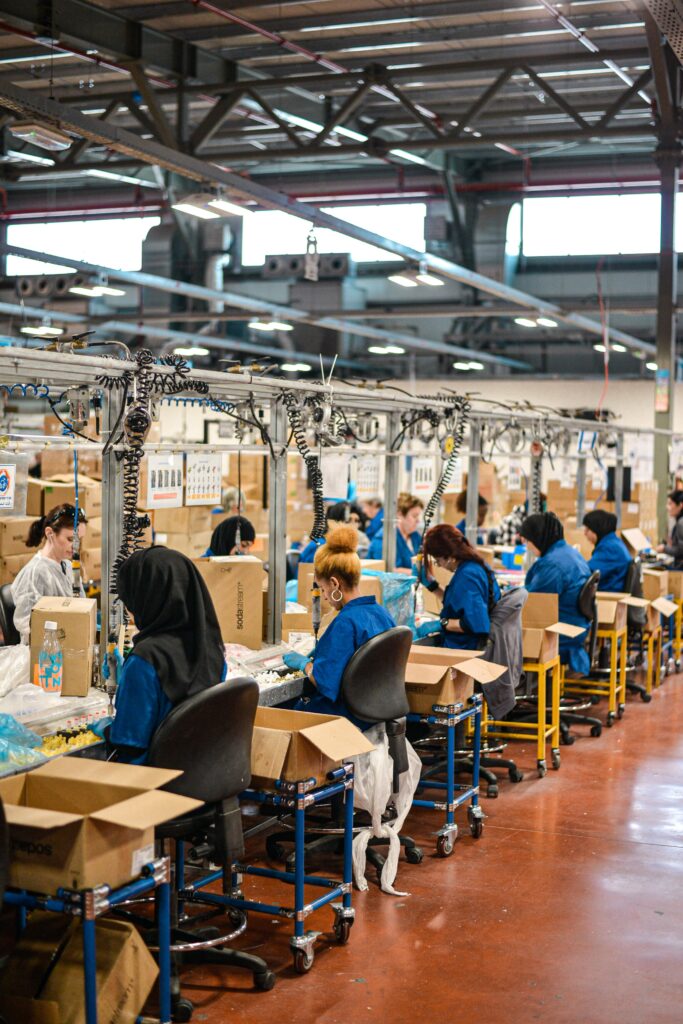
Some brands, such a Bav Tailor, an ethical British clothing label, are working on product passports which focus on the workers. Being transparent in saying who made the garment is important when it comes to ethicality in fashion. It is one of the ways in which fashion brands practice greenwashing. Although they may claim that the materials they use are recycled fibers, they may not prioritize working conditions.
“With a quick scan on a smartphone, we can find out more about the work that has gone into making that product and depending on the brand, a face behind the product too,” says Mendoza. “It enables us to be more conscious and ask questions when considering our purchases. We also need to realise that there are people behind our garments.”
On top of supporting transparency in the fashion industry, product passports can also give useful insight into the recycling process. A big element into sustainability which many people don’t realize is that clothing can’t just be gathered into a large dump and the recycled all at once. This is because of the garment’s fibre blends.
Each piece needs to be separated into their respective fibre category before they can get recycled. Most of the time, however, they can’t because the garments either have worn out labels or they don’t mention what it is composed of. Product passports would solve this by explicitly stating exactly what the clothing is made out of.
So next time you’re thinking of passports, it might not be related to Covid, or international travel. Just check the label.
Leave a Reply