

Independent store featuring Korean Fashion in Angel, Islington. Credit: Kim Tran
By Kim Tran
In recent years, TikTok has emerged as a major force in shaping how people around the world dress and express themselves through fashion.
Unlike traditional fashion influencers such as designers, magazines, or celebrities, TikTok puts the spotlight on everyday users, allowing anyone to share their personal style and inspire others. The app’s powerful algorithm and viral nature mean that a single creative video can spark a new trend or bring back a forgotten style almost overnight.
What sets TikTok apart is its sense of community and authenticity. Users showcase real-life outfits, DIY fashion hacks, and unique aesthetics, making fashion more accessible and relatable than ever before. Trends like ‘clean girl,’ ‘Y2K,’ and “cottagecore’ have all gained momentum thanks to TikTok’s fast-moving, interactive environment.
As a result, the platform has not only sped up the trend cycle but also changed the way people discover, shop for, and think about clothes. Today, TikTok continues to shape the future of fashion with one viral video at a time.
TikTok meets commerce
With over 1.8 billion monthly active users, TikTok has become the fifth-largest social media platform, making it a powerhouse for fashion content. Its massive user base significantly influences fashion trends and consumer behaviour. As of May 2025, the platform hosts more than 86 million TikTok posts tagged with fashion content, and studies reveal that 37% of TikTok users have made purchases based on content they’ve seen on the platform.
Capitalising on this trend, TikTok introduced TikTok Shop, an in-app shopping feature that enables users to purchase products directly while watching videos. This seamless integration of content and commerce allows users to instantly buy items they discover in fashion-related content.
However, this convenient shopping experience has also contributed to impulse buying and overconsumption concerns, as expressed in many user testimonials.
Zoey Tran, 22, a fashion marketing student at Westminster University, explains: “Definitely, lots of influencers fuel overconsumption through unnecessarily large hauls or PR packages or content ideas to go viral, as well as influencing viewers to buy things they may not need but will sell out products just because it’s viral.
“They definitely create an idealised lifestyle that is desired but is very materialistic and also unrealistic since most influencers only show the fun and sociable aspects,” she added.
Asked if she feels pressured to follow these trends, she said: “I don’t feel the pressure of following trends or buying certain clothes, especially if they don’t align with my style and I don’t find it cute. Not even just to try it out since it would be a waste of money and TikRok trends usually die very quickly.”
The rise of micro-trends
Micro-trends are reshaping how we consume and interact with fashion. They encourage rapid experimentation and self-expression, allowing users to try out new looks without long-term commitment. It fuels the fast-fashion industry, as brands rush to produce and market items that align with the latest viral style, sometimes releasing hundreds of new products daily to keep up.
The speed and volume of microtrends have raised concerns about overconsumption and environmental impact. Fast-fashion brands like Shein thrive on this model, but the constant churn of new items leads to waste and makes it challenging for consumers to keep up, often resulting in “trend fatigue”. Many fashion lovers are now questioning the sustainability of this cycle and seeking more mindful approaches to personal style.
Tran explained her dislike for people following trends for its popularity. She said: “It’s a bit sad to see so many trends go viral that were originally thoughtful and original, like bag charms and phone case hippers. It really dilutes the authenticity and uniqueness of whatever the act was and unfortunately what would once be cool and refreshing, just gets repeated and boring because of how quickly trends travel and people picking it up.
“It definitely makes you question if people have developed their own style or just adapted it from whatever’s been trending,” she added.
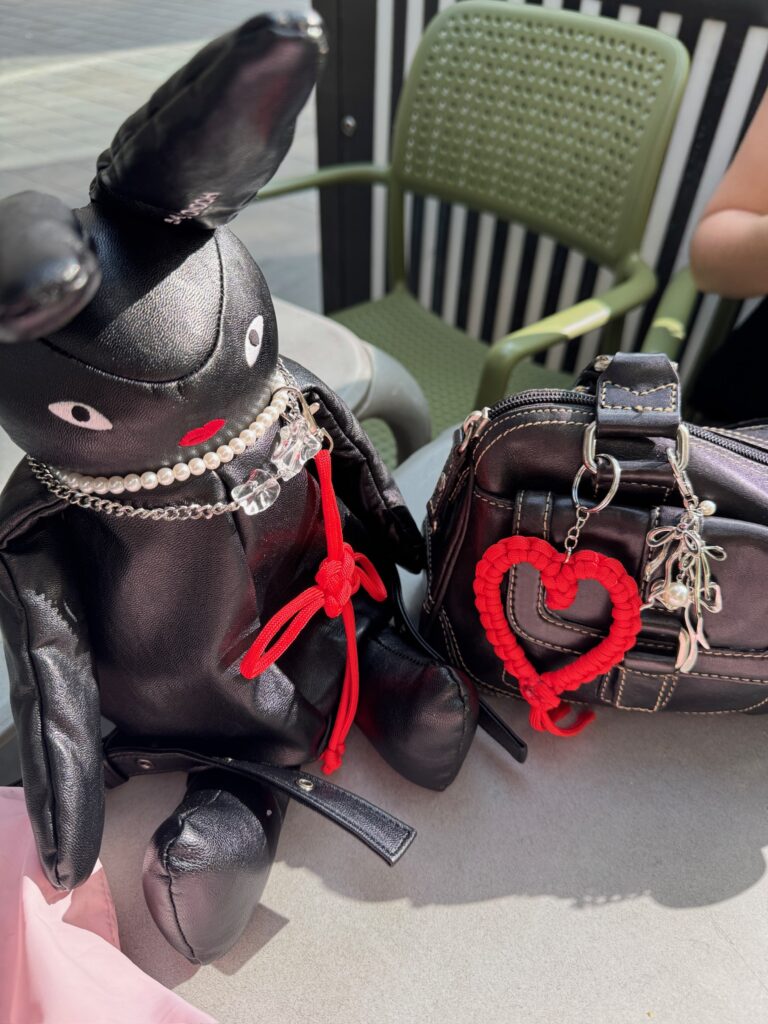
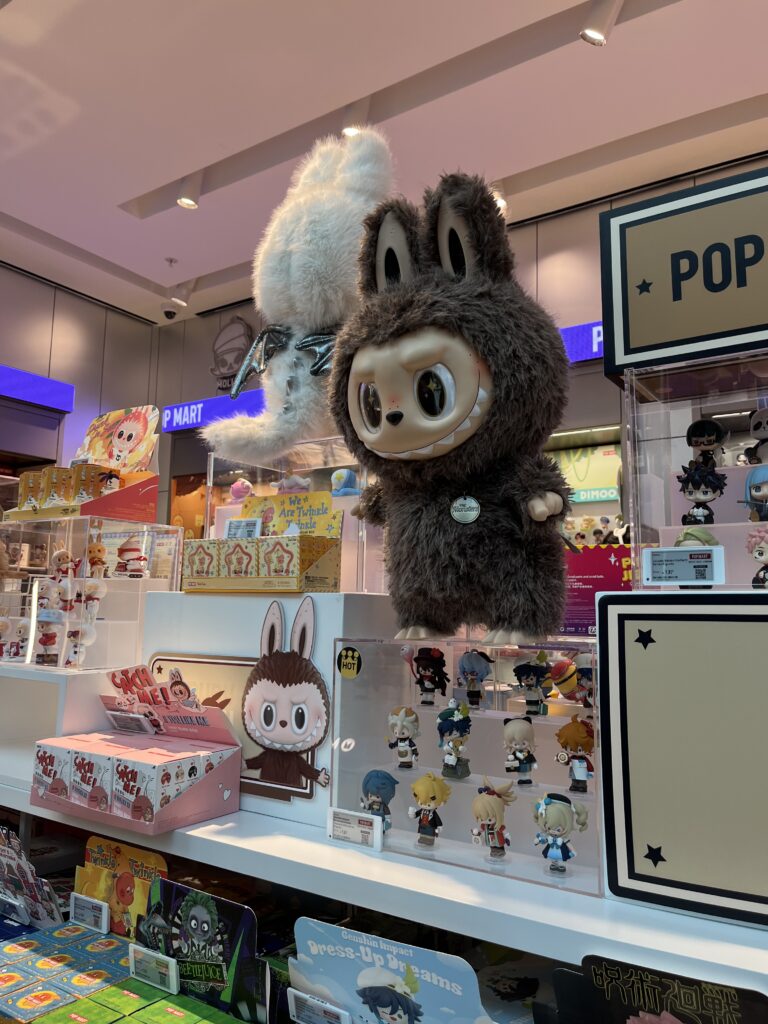
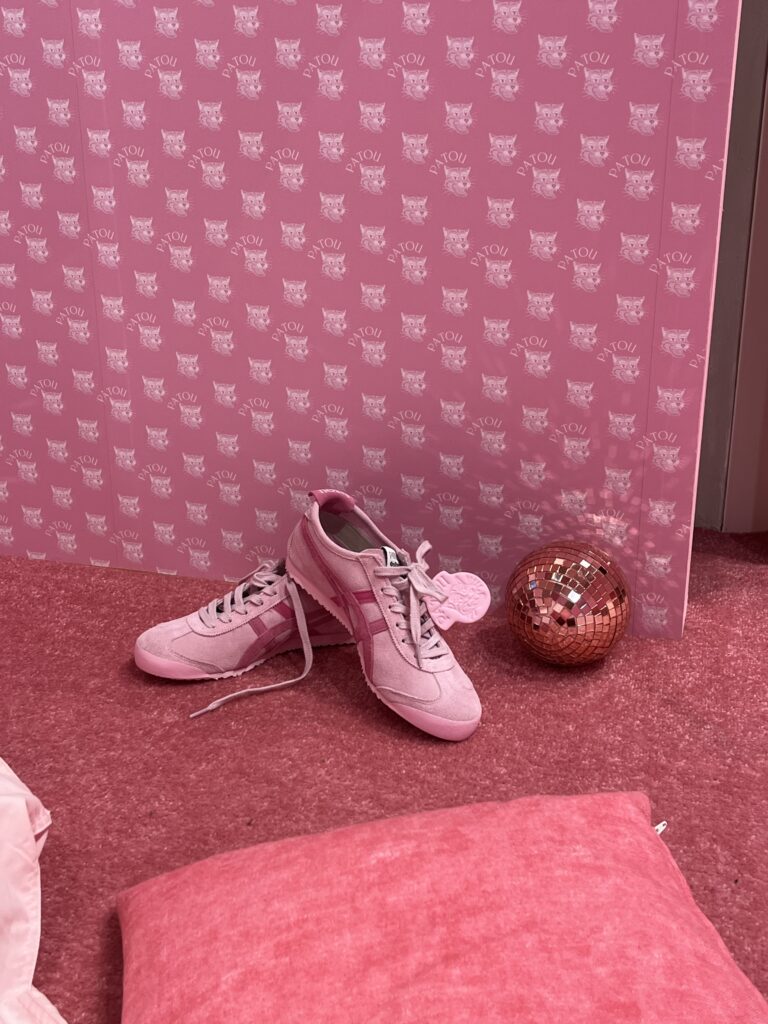
Trends of the past year that have all been featured on TikTok: Bag charms, Labubu’s and Onitsuka Tigers. Credit: Kim Tran
Our fashion editor, Aliyah Rahma, discussed her view on the unnecessary consumption of clothes. She said: “Like, why would you own like 20 pairs of the same white shirt that comes from fast fashion brands? People don’t have the budget, time or space to hold this much items. But these influencers and creators are living the aspirational lifestyles, and that’s why their audiences are following this lifestyle.
“Obviously no one really lives like this and it’s really apparent that overconsumption is still running rampant in TikTok especially. I don’t want to say that they have a death of personal style, but it’s more like everybody just looks the same,” she explained.
The death of personal style
This phenomenon has sparked debates about whether TikTok’s influence is leading to a homogenisation of personal style. With users rushing to replicate viral looks and “aesthetic” trends, many fashion critics argue that individual creativity and self-expression are being replaced by algorithm-driven uniformity. The platform’s rapid trend cycle means that unique, personal style choices are often overshadowed by the pressure to conform to whatever is currently trending.
Rahma discussed her opinion on personal style and how to avoid falling in the trap. She said: “Though TikTok is also a platform where creators tend to push products or aesthetic or some style to their audiences, I would say be vigilant and be able to spot whether it was a genuine style or just a phase. I think the key is to not feel pressured by the fast changes and if you like something and want to stick with it, I don’t see why not.”
In an era dominated by digital influence and increasing screen time, it’s unsurprising that apps like TikTok significantly influence our fashion choices. Whether it’s the latest trendy colour or style of sneakers, we may be approaching a point where we ‘re becoming carbon copies of one another.
But it’s crucial to remember that personal style should be exactly that – personal. While TikTok serves as an incredible platform for fashion inspiration and discovery, viewers should approach trends mindfully, choosing pieces that align with their individual taste, lifestyle, and values. Rather than feeling pressured to keep up with every viral trend or influencer haul, consumers can focus on developing a sustainable wardrobe that reflects their personality and meets their practical needs.
The key lies in striking a balance between staying informed about current fashion trends and maintaining authenticity in personal style choices. While we cannot (and should not) dictate how others choose to engage with fashion content or make purchasing decisions, we can encourage more conscious consumption. This means being selective about what we buy, considering the longevity of pieces, and prioritising comfort and personal expression over fleeting trends.
Ultimately, the most sustainable and fulfilling approach to fashion is one that allows individuals to express themselves authentically while making mindful choices that benefit both their wardrobes and the planet. TikTok can continue to serve as a source of inspiration, but the power to curate a truly personal style remains in the hands of each individual consumer.
Leave a Reply