

By Bradley Bennette
Many people in the Holloway area are finding London’s diverse nightlife too expensive, and
are opting to either stay home, visit local pubs or spend time streaming movies from their bedrooms.
Entrance fees for clubs span from as low as £20 to £40 per night, although often student discounts on Wednesdays offer free entry. Drinks often start at £6, meaning that a lot of people opt to have cheaper “pre-drinks” at home instead of opening their wallets outside.
Although drinks often start at £6, are beginning to shift many away from the infamous outing.
“I live with my girlfriend so we budget as much as possible, as nightlife is so expensive,” said student and cinema worker Liam Heard. “At my work they’ve offered us a 50% staff discount. I find it good as it’s relatively cheap and I can bring a lot of my friends, so we can still enjoy ourselves.
The 22-year-old added that he has reduced extravagant spending and evenings out, and has instead opted for pub life, where drinks are cheaper and there is no entrance fee.
First it was Covid – now inflation is severely affecting the lives of young people, making their social circles change in ways we would not have thought of five years ago.
Pub life is better – or at least cheaper
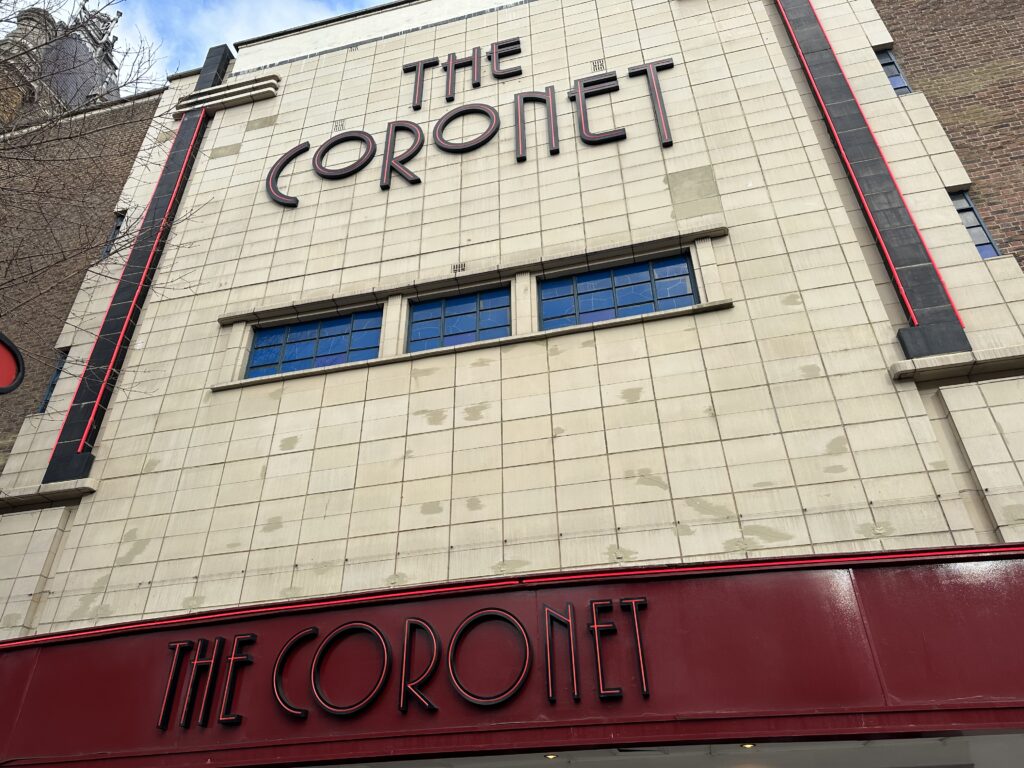
“We’re always extremely busy, whether it’s the football or not, around late evening is where we get really busy,” said Wetherspoons Coronet employee Sharif Carty, 37. “But we are getting a lot of students and young people in this place.”
The cost of living crisis has caused inflation to reach 11%, a 41-year high, according to the House
of Commons Library. The affordability of of goods and services has caused customers to
reduce their spendings as a means to cope with the crisis, which has resulted to a more restrictive lifestyle.
Covid had an extreme effect on the mental health of young people, and now healthcare professionals fear that the cost of living crisis will affect their wellbeing as well.
“With people understandably prioritising food and heating their homes over socialising, loneliness – which was already at epidemic levels before the crisis – is set to get much worse,” the Guardian has warned.
Leave a Reply