

By Bianca Jashnani
Is the pandemic really over? The government seems to think so.
On 21st February, government guidance to keep the novel coronavirus in check dramatically changed.
The government removed guidance for students and staff to test twice a week for schools and universities.
On the same day, Prime Minister Boris Johnson also announced that from the 24th of February, people who test positive for Covid are no longer legally required to isolate, even if they are not vaccinated. They are, however, recommended to stay ay home for at least five days.
In addition, people are no longer required to test or self isolate if they have come in contact with someone with Covid, and face coverings are no longer mandatory on public transport.
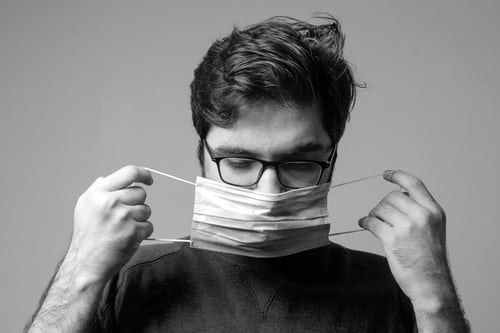
“To be honest, I don’t think the plan is going to work,” said Alicia Muller, 21, an exchange student from Germany.
“Of course people would rather leave the house even if they test positive. Quarantining can be really hard, especially when you’re alone and sick, it is really stressful as well.
“But this would cause the virus to still spread, some people are vulnerable, and if you’re travelling so many people are likely to get infected.

“I think masks should still be compulsory, at least on public transport, more than half of London is using some kind of public transport. I personally think that no one was actually testing themselves or isolating themselves when they came in contact with someone who was positive if they were showing any symptoms,” she said.
Muller wonders if this “might cause the UK to go into another lockdown if the situation goes out of control again”.
Johnson also announced that from the 1st of April, PCR and lateral flow tests will no longer be free for those except the most vulnerable. Furthermore, Covid passports are now only recommended for international travel and there will no longer be a need for NHS covid passes to enter venues.

“Johnson is doing the best he can for his country. Britain’s economy has really suffered and we can no longer put it at any risk,” said 60-year-old retired engineer Liam Smith.

“We are finally on the road to freedom, we have spent almost two years scared for our loved ones’ lives and now we are treating it the way it should have been from the start, like a flu.
“Even though there will be more variants, I think they will be milder than the ones before because of herd immunity. Though, I did hope the tests would remain free because so many people are getting it more than once and frequently and they won’t be willing to pay the prices the government takes for these tests when they have to take it almost everyday.”
The Government Chief Scientific Adviser, Sir Patrick Vallance said that “the virus will continue to evolve quite quickly, probably for the next couple of year and there is no guarantee that the next variant will be of the same reduced severity as Omicron”.
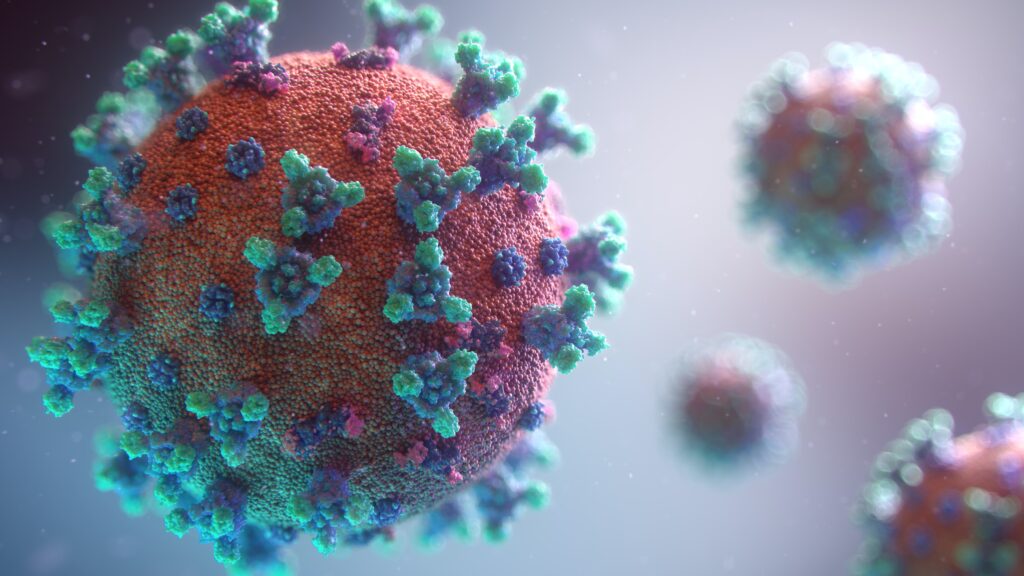
Consequently, even though most of the free testing system is being taken apart, the government stands firm that they will continue to do “detailed checks and surveillance to look for resurgences of Covid and any concerning new variants which emerge”.
Leave a Reply