
By Minttu Marjomaa
The consumer good industry made to help you relax, from adult colouring books and squishy toys to herbal sleep aids and compression blankets, is booming year on year. All come with price tags and varying degrees of scientific research attached, with consumers encouraged to spend hundreds of pounds to achieve tranquility and a spiritual calm.
But – according to an Islington charity – the only thing you need to find inner peace is your own mind.
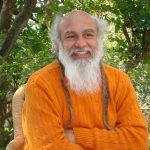
Jangama Meditation became a registered charity ten years ago. It was founded by an Indian guru, Shiva Rudra “Babaji” Balayogi, who claims to have reached a state of complete self-realisation through his mindfulness practice. Now he shares his knowledge with Jangama students who offer free meditation workshops all over North London.
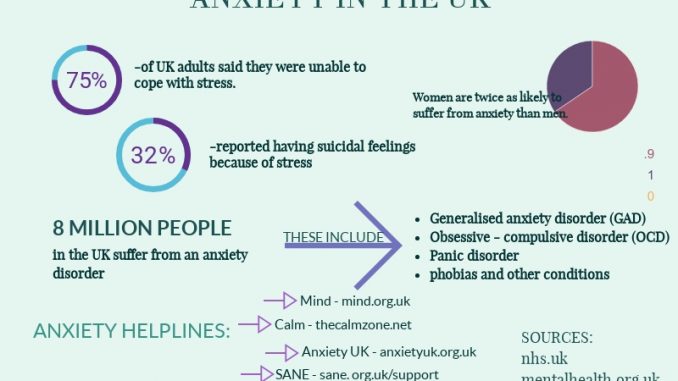
According to Mental Health UK, one in ten people in the UK have a diagnosed anxiety disorder while three in four have reportedly experienced debilitating stress. Competitive job market, insecurities brought on by social media and a precarious outlook on the future are commonly listed worries of the 21st century.

According to Jangama meditation teacher Simon Wilson, the stress epidemic is having an effect on the industry meant to quell it. Jangama’s weekly sessions draw in people from all over London, most of them 25 – 50 year-olds. Once a year, they also organise a wellness retreat in the countryside and every month they teach their relaxation technique to refugees and asylum seekers.
Wilson has noticed that those who haven’t tried meditation are often prejudiced against the practice.
“Some people think that zooming in on your own thoughts and feelings is selfish. But what really makes you only think about yourself is stress,” said Wilson, 33.
“When we feel bad, we’re programmed to focus on that and nothing else so that it’s impossible to care about others. We have to improve our own mental health before we can help anyone else.”
Jangama’s method takes after the teachings of ancient sages and the practice has a big role in Hinduism and Buddhism. It differs from mindfulness in that it’s a specific seated practice, often but not always undertaken in a group setting.
Wilson thinks that religion can be part of meditation – but that it doesn’t have to be.
“Nowadays people tend to be suspicious of any kind of mysticism or spirituality. Almost all religions have some kind of practice for mental control. Even praying could be seen as a kind of meditation,” Wilson said.
“Whether you believe in ancient wisdom or modern psychology, the benefits of meditation are clear. Religious or not, it can help anyone live a more peaceful existence.”
Scientists may not hail meditation as a universal panacea but there have been studies that show its calming effects on the brain’s emotional centre. What everyone agrees on is that it’s accessible and considerably cheaper than many relaxation alternatives – all you have to do is close your eyes and breathe. And unlike some medications, there are no harmful side-effects.

Leave a Reply