

Photo by Alyssa Baches on Unsplash
By Jashanpreet Kaur
The fashion industry often promotes messages of body positivity and inclusivity. Many brands now feature diverse models in advertising campaigns and speak about representing different body types. However, despite these efforts, many consumers still struggle to find clothing that fits them.
While inclusivity has become a popular marketing message, the reality of limited sizing across many fashion brands suggests that the industry still has a long way to go. For example, research indicates that the average woman in the UK wears around a size 16, yet many fashion retailers still produce clothing primarily for smaller sizes.
For decades, fashion has been shaped by narrow beauty standards. Designers typically create clothing based on the proportions of runway models, which represent only a small portion of the population. Sample garments used in fashion shows and photo shoots are often produced in very small sizes, typically equivalent to a UK size 6 or 8.
Several major brands have faced criticism for promoting exclusivity while offering limited size ranges. Brandy Melville, for example, is widely known for its “one-size” clothing policy, which in practice fits only a narrow range of body types.
Similarly, Abercrombie & Fitch faced significant backlash in the 2010s after comments by former CEO Mike Jeffries suggested that the brand targeted only a particular type of customer. Jeffries famously stated that the company wanted to market to “cool, good-looking people” and acknowledged that the brand was intentionally exclusionary.
Fashion companies often argue that expanding size ranges is more complicated than it appears. Larger garments require different pattern designs to ensure proper fit rather than simply scaling up smaller sizes.
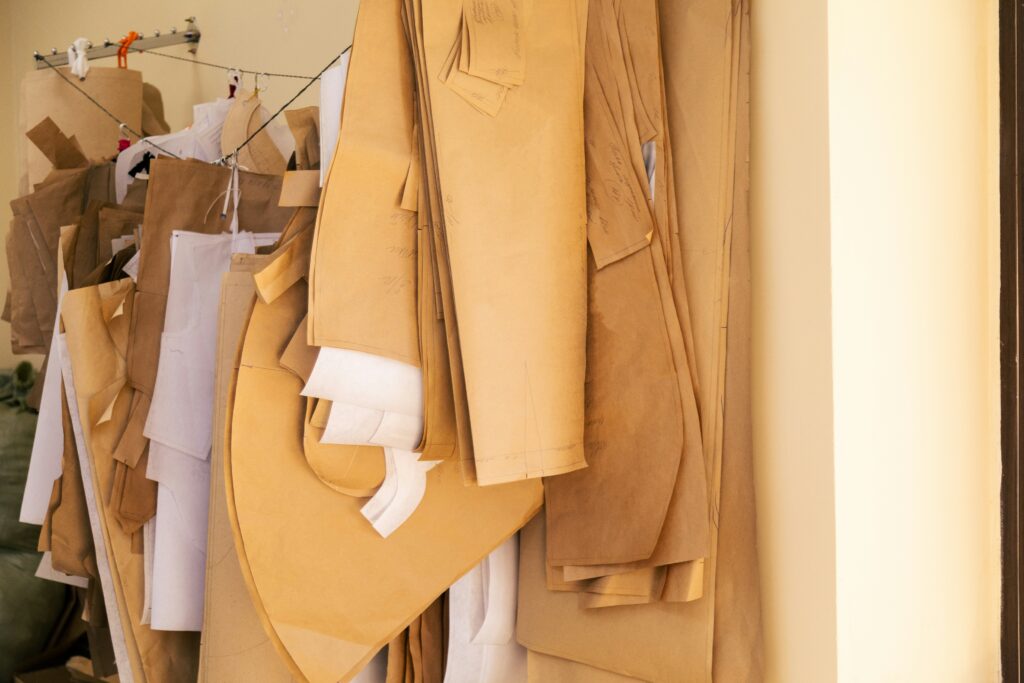
For example, plus-size garments often need adjustments to areas such as shoulder width, bust shaping, and waist placement in order to maintain the proportions of the original design. Designers must therefore invest additional time in creating and testing new patterns for each garment.
Manufacturing costs may also increase because larger sizes require more fabric and sometimes different construction techniques. A size 24 dress, for instance, may require significantly more material than a size 8 version of the same design. Companies that focus on producing clothing at low prices may therefore hesitate to expand their size ranges if it increases production costs.
Another factor is inventory management. Brands must predict which sizes will sell quickly, and unsold stock can result in financial losses. Because of this risk, some companies produce fewer garments in larger sizes or offer them only online rather than in physical stores.

Despite these challenges, some brands have begun to reconsider their approach. In recent years, Abercrombie & Fitch has attempted to rebuild its image under the leadership of CEO Fran Horowitz by expanding its size ranges and focusing more on fit. The brand has introduced lines such as “Curve Love” denim and broadened the sizes available across many products in an effort to appeal to a wider range of customers.
According to Abercrombie & Fitch representatives, inclusivity is not only about diverse marketing imagery but also about designing clothing that accommodates different body shapes and sizes. It is a shift that reflects changing expectations from shoppers. The question now is whether the rest of the industry will follow.
Leave a Reply