
By Molly Madden
In London, pre-drinks are a vital part of an immaculate night out. The perfect time to set the vibe to make sure the night goes right. And recently – with the rising cost of living – supermarket wine deals, cheap vodka and even cheaper canned drinks are the best way to save a few quid.
The best part of the pre is that it offers control, something the clubs are lacking. You get to curate the ideal background track, perfect the ratio of alcohol to mix, and gossip with your friends at a volume level that only you can hear.
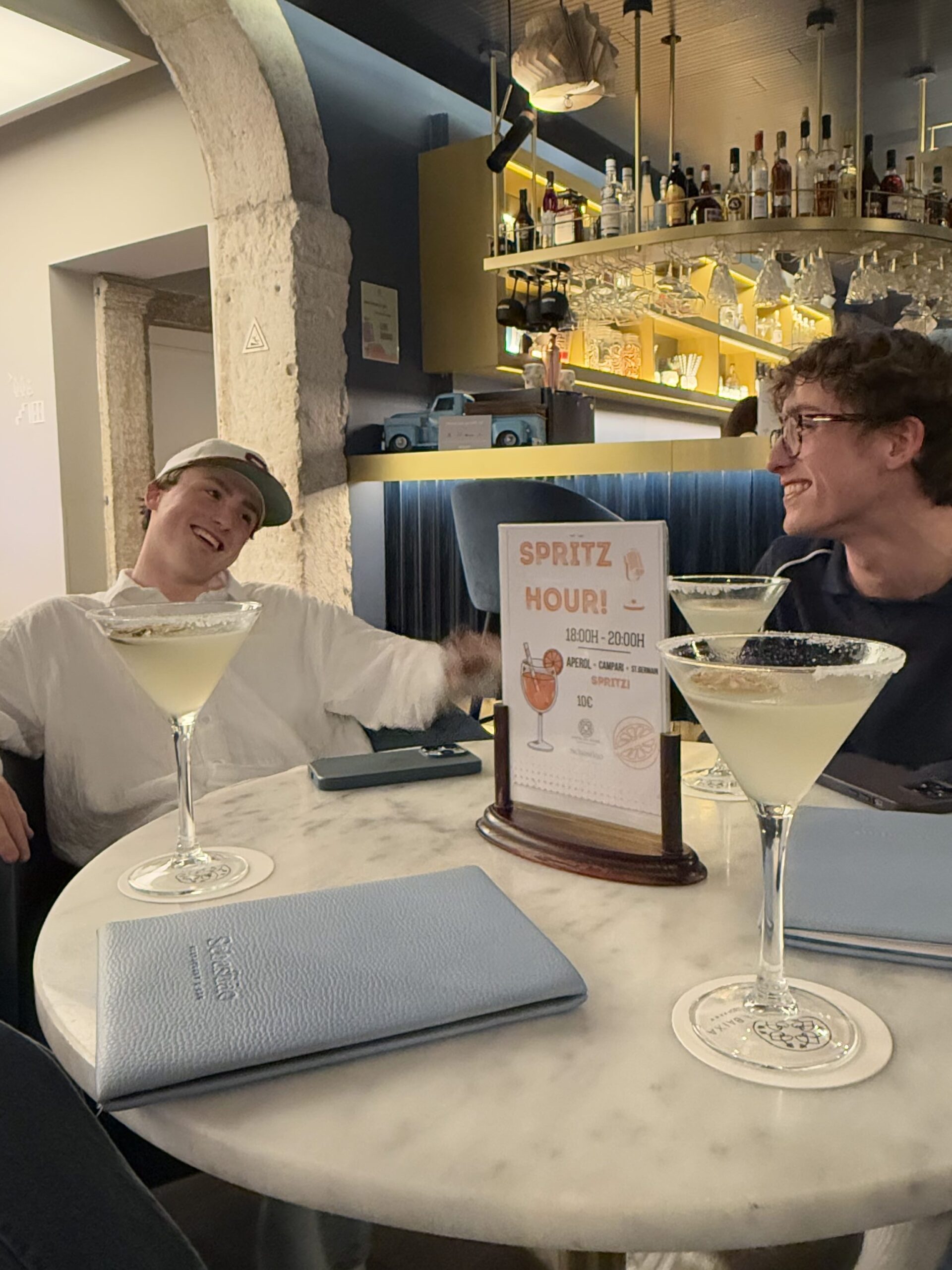
This shift isn’t just about saving money, it’s about reclaiming the night. London nightlife has become increasingly unpredictable: torturous queues, drinks prices are creeping deep into double digits, and the promise of a “good night” often relies on factors out of your hands.
Pre-drinks, by contrast, are reliable. They happen in cramped flats, royal parks and on the tube (not recommended), turning basic spaces into temporary parties full of inside jokes, outfit validations and extensive plans on how to make the most of the night.
For Chi Chi Nwakodo, a 31-year-old music executive, pres are non-negotiable. “I’m really old, so I’ve done all of it already. I don’t really go out that much, to be honest with you. But if I am going out, always have pres, always,” she says.
Going out is no longer about endurance or excess, but intention. “It usually sets the vibe for how the night’s gonna be,” she explains, “like, whatever vibe you’re on in your pres is the vibe that you’re gonna be on for the night.”
Starting at mate’s house or a pub, pres have become a filter: a way of deciding whether the club is even worth it. If the energy peaks early, why ruin it with an overpriced drink and a sticky floor?
For many Londoners, especially those juggling demanding jobs and rising rents, the idea of stumbling into any club just because it’s a Friday feels outdated. “If I’m going out, it’s more based on an event,” Nwakodo says. “Something I really want to go to: specific music, DJs, stuff like that, that I actually want to listen to.”
Eugene Cheung, a 24-year-old club promoter at PlayKrown Entertainment based in London, agrees with the change. “Even though tickets are expensive they do sell out, but I think it’s mostly due to the community,” he says. “It’s an East Asian events company, people like that sense of belonging.”
London’s late-night scene has been steadily shrinking in recent years, with many clubs and bars closing their doors following the height of the pandemic. More than 3,000 nightlife businesses have closed since 2020, according to the BBC. This trend reflects broader pressures on nightlife venues across the UK, from rising operating costs and tougher licensing rules to changing social habits, sparking concern about the future of London’s late night culture.
Cheung says he’s noticed a “slight decline because tickets are quite expensive these days, and not alot of people want to pay that much to go clubbing”.

The good news is that our beloved pres are here to stay, and if anything, they’re still on the come up. These small gatherings are becoming the main event – and are now blossoming out into the mainstream.
Maybe it’s time to give in fully to these intimate gatherings. Whether it’s a cheeky Spoons, a more curated tavern or cramming as many of your friends as possible into your tiny flat in Islington, the club scene is slowly but surely disappearing into the night.
Leave a Reply