
By Alex Gageanu
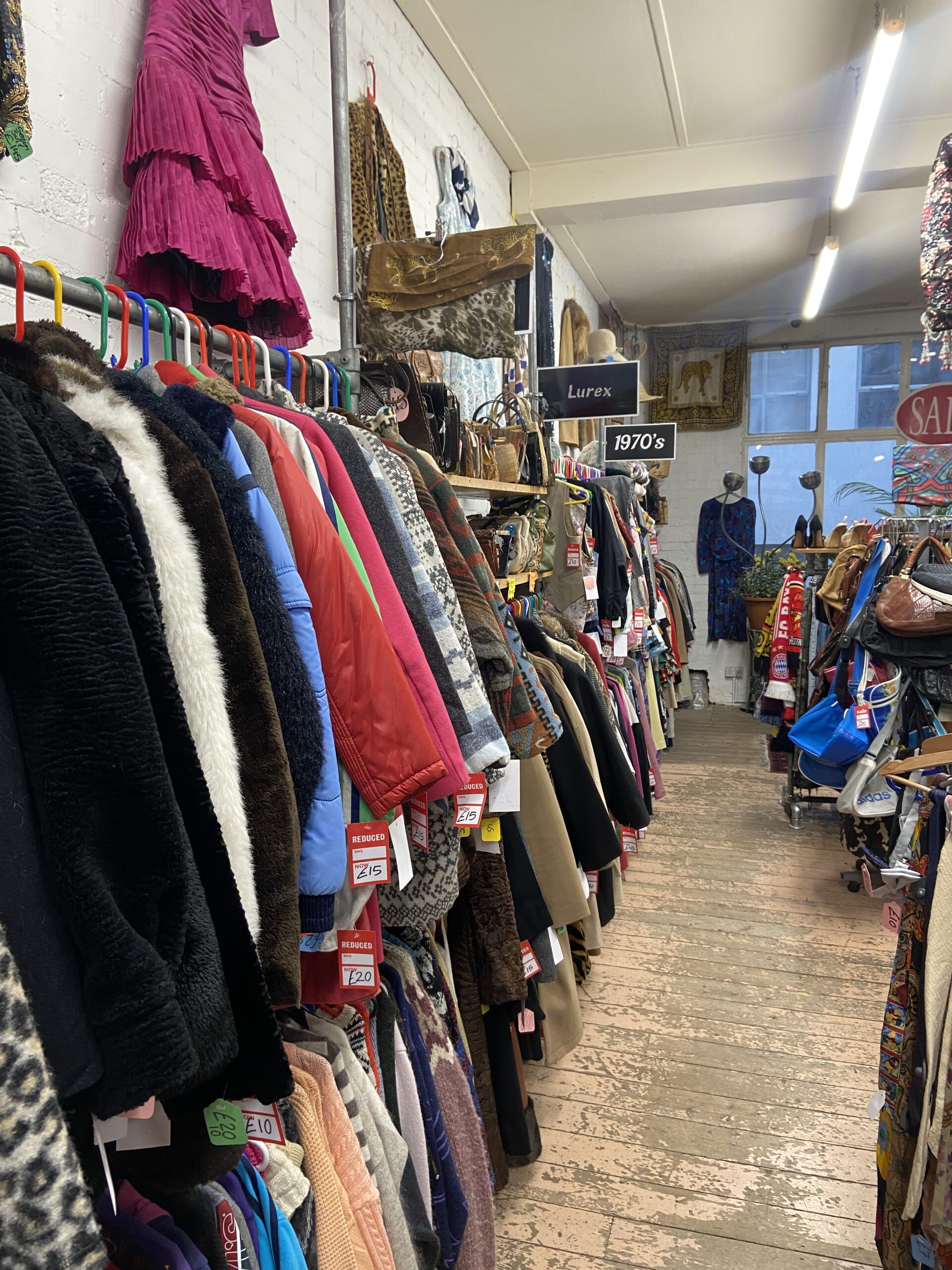
Vintage shop Blue 17, on Holloway road. Credits: Alex Gageanu
Vintage shopping is often celebrated for its sustainability and its ability to bring unique, one-of a-kind pieces into our closets. However, beneath the surface of this eco-friendly trend, there are
some ethical concerns that are often overlooked.
Overpricing
One of the most damaging concerns is overpricing. As vintage shopping gains mainstream
appeal, particularly with platforms like Depop and eBay, many thrift stores and individual sellers
have started to price items much higher than they originally cost. What was once an affordable,
budget-friendly option for those on a tight budget is now becoming a luxury market, which
makes it difficult for lower-income shoppers to access essential clothing.
Student Raluca Manea, 19 said: “I used Vinted back in 2022, when the prices were much lower. I think because apps like TikTok are hyping up Vinted right now, people are starting to sell their stuff on there for much higher prices.”
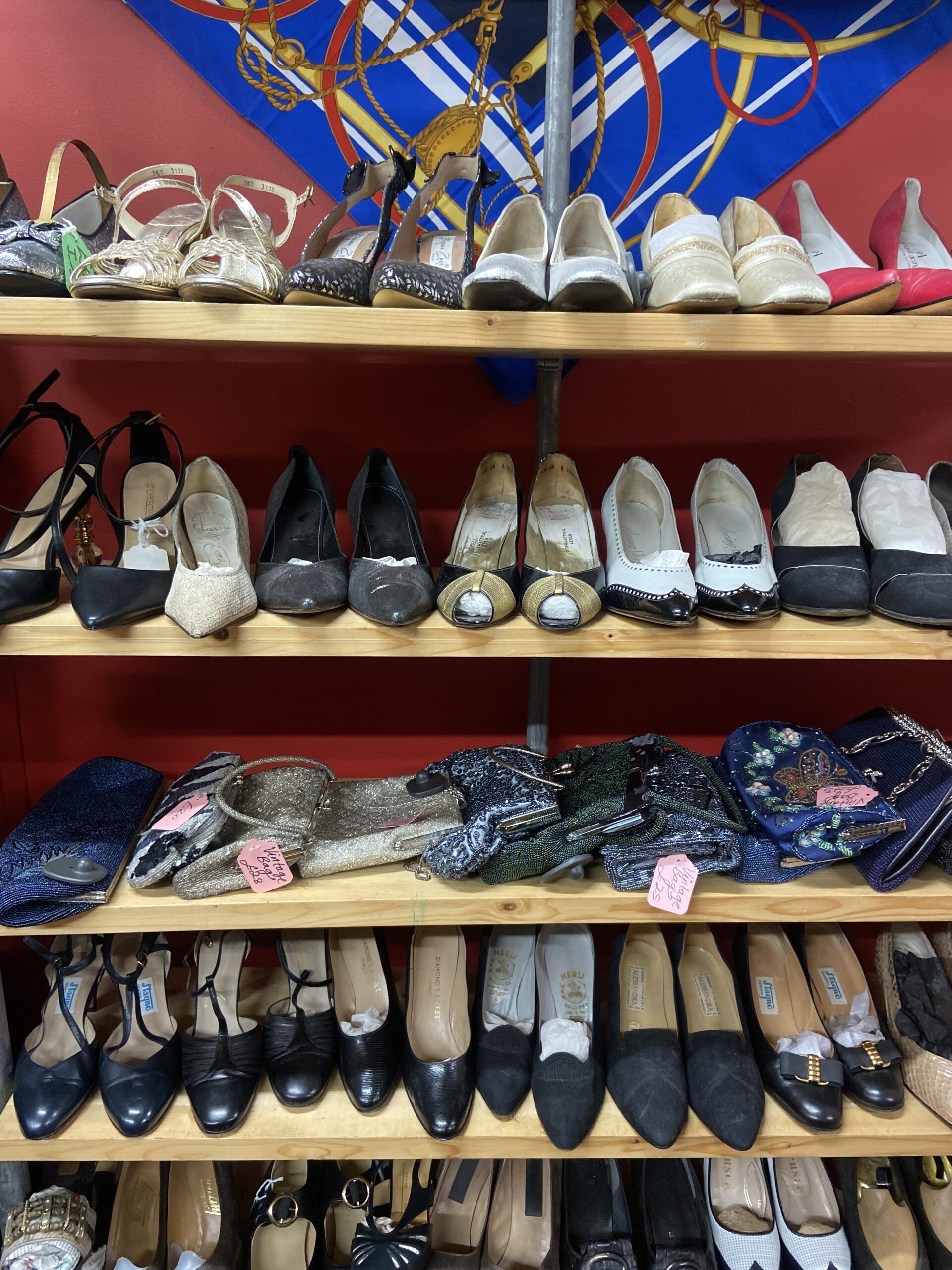
Vintage shop Blue 17, on Holloway road. Credits: Alex Gageanu
Limited sizing
Another ethical concern is limited sizing. Vintage clothing was typically produced in smaller
quantities and often features older, less inclusive sizing standards. This means that many
vintage pieces aren’t accessible to people who fall outside the small to medium sizing range,
leaving out a large portion of the population. While the fashion industry is gradually becoming
more size-inclusive, vintage shopping still struggles with this limitation, making it difficult for
everyone to fully participate in the trend.
Overconsumption
Perhaps one of the biggest concerns to the ethical dilemma of vintage shopping is the
overconsumption driven by Gen Z. As younger generations embrace vintage shopping as a way
to express individuality, there is an unlimited consequence: more people are buying vintage
items in excess. The excitement around finding unique pieces has caused an uptick in demand,
but this also leads to overconsumption, as people buy more than they actually need simply to
keep up with the trends. This behaviour can lead to the same wastefulness seen in fast fashion,
negating the sustainability benefits that vintage shopping once offered.
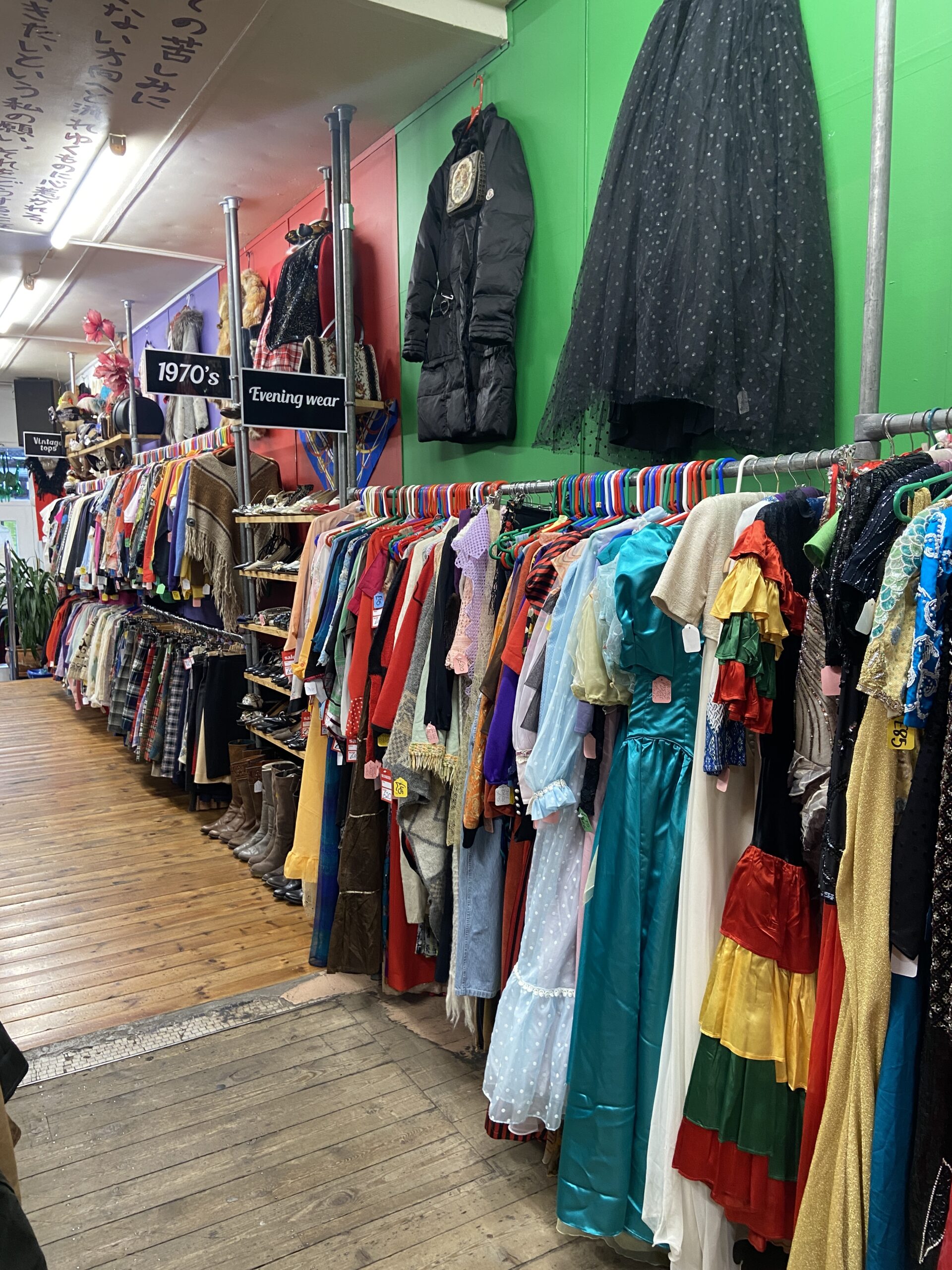
Vintage shop Blue 17, on Holloway road. Credits: Alex Gageanu
As demand for vintage goods continues to grow, it puts more pressure on thrift stores, suppliers,
and resellers to meet this need, which can lead to ethical issues in sourcing, pricing and
distribution. While vintage shopping remains a step in the right direction compared to fast
fashion, it’s important to recognize that it isn’t a perfect solution. To maintain its ethical value,
consumers need to be mindful of these issues and consider buying vintage items not just as a
trend, but as a thoughtful, long-term alternative to overconsumption.