

By Gabriela Yorgova
Ordering a few outfits, trying them on at home, and returning most of the clothes – this trend has been around for at least ten years. But do we actually think about its impact on nature?
Trends tend to change every week and customers are trying to keep up with them. Retailers, especially fast-fashion ones, generate huge revenues when they sell and promote attractive products. With the increasing number of orders, returns are more and more common.
Stores around the country offer returns in case you realise the garment does not fit you, or you simply don’t like it. The returned item has to be unworn – but some customers may violate the rule and argue that if it has a tag, it can be returned.
Zehra Kivrak is a student who follows fashion trends but doesn’t want to spend a fortune. The 19-year-old who studies at University of Greenwich said: “The biggest advantage for retailers is that they can make more profit as consumers use the opportunity to have an option to return and end up keeping the item if they like it.” Her purchasing habits involve shopping online at least once every two weeks, she says.
“The experience for my return for the retailer Pretty Little Thing was good – I had to go to my nearest off-licence to print out the return sticker therefore it was environment friendly due to them not wasting unnecessary paper. No extra packaging was used, and it was for free.”
No more free returns?
According to data from the National Retail Federation, more than 15% of online purchases were returned in 2022. Now, some of the most popular companies (including Zara, H&M & Uniqlo) charge up to £3 for a return per parcel.
Uniqlo, for example, argues that paid returns are a sustainability effort, saying they “would like to influence a positive change inviting everyone to move away from the current cycle of purchasing and returning, and be more conscious of the impact such a cycle is having on our environment”. Kivrak agrees that returning items “may cause more packaging being used and more carbon emissions being added to the atmosphere”.
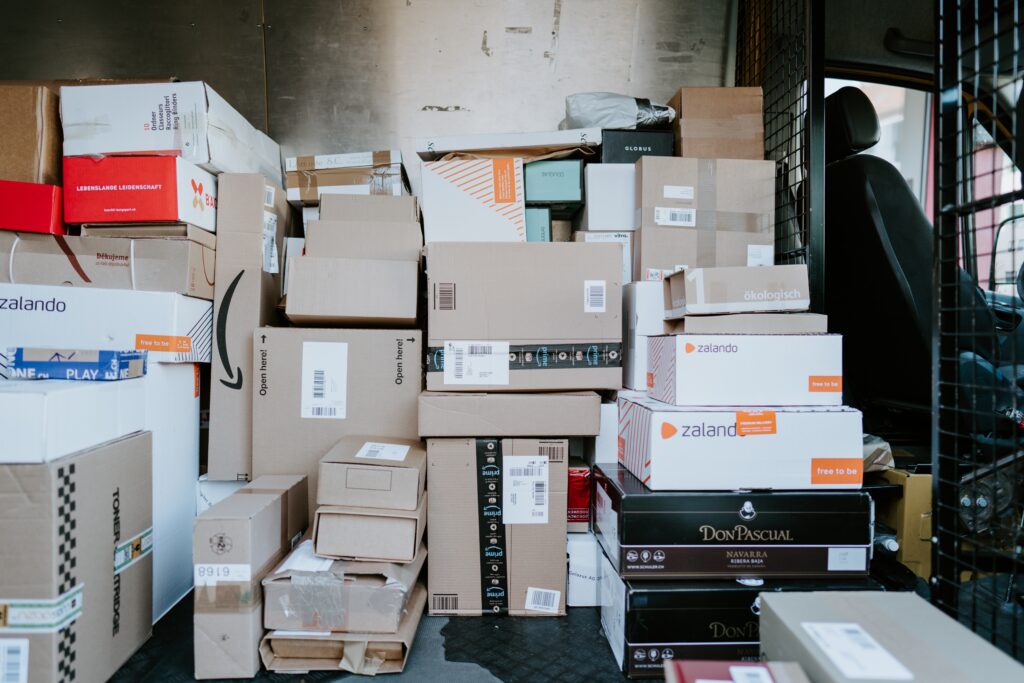
But the move towards paid returns has made even loyal customers think twice before ordering too many pieces and then sending them back. Some brands have also started prohibiting returning online orders to their brick-and-mortar stores, sparking suspicions that it’s profit, not sustainability on the brands’ minds.
Fara Alexander, director of brand management at returns-management platform goTRG, told the BBC: “It’s actually costing them [retailers] money to process these returns.” A report conducted in 2023 by Narvar, a post-purchase service that works with brands like Lululemon, Gap and Sephora, estimates that retailers spend around £27 per return, which does not cover the costs for packaging, labour, and a lost opportunity for a sale.
Recently, workers in fast-fashion companies have admitted that after an item has been returned it is assessed – and that not all of them are resold. It could be due to a design fault, or simply because it costs more to be displayed in good condition in shops.
Bianca Divile, an osteopath and aesthetic practitioner in Brent Cross, said: “Online shopping can have an impact through fast fashion and people don’t think about it.” She added that a return is a customer’s right – especially if a product is faulty, not simply because the customer has had a change of heart.
Our suggestion for this ongoing problem is to double-check the measurements on the website of a retailer, materials and customers’ reviews. Even though having the option to return a product is convenient, we should try to change our shopping habits to minimise the waste that we create by shopping online.
Leave a Reply