
By Rose Blanchard
So, you’re concerned about the planet? I think more or less all of us are right now. You do your recycling, you look for groceries wrapped in as little plastic as possible, and you turn off the lights when you leave a room. Maybe you’re even vegan. Good news, you’re off to an excellent start. Every little helps, as they say.
But there’s one area you’re just a little bit clueless about. You’ve heard it spoken about and you know it’s important but you simply don’t know where to start. Sustainable fashion.
What is sustainable fashion?
It might sound like a stupid question, but clarity makes clarity.
Sustainable fashion is a lot more complicated than just going to charity shops and stealing clothes from your siblings. Whilst both of those things are great, sustainable fashion focuses much more on means of production.
The University of Sheffield published a paper titled “What is sustainable fashion” in which they highlighted that sustainable fashion is often misleadingly described as the opposite of fast fashion.
But what is fast fashion, I hear you cry? Well, it’s inexpensive clothing produced rapidly by mass-market retailers in response to the latest trends. Think Primark, ASOS, Matalan.
Sustainable fashion is not expensive clothes produced slowly by small-market retailers in response to the latest fashion faux pas. That would be ridiculous.
Sustainable fashion is part of the slow fashion movement. Slow fashion centres on things like good working conditions for the people producing the clothes (ie. they are not supportive of sweatshop style labour) and the preservation of the environment during and post production.
For example, the Lucy and Yak clothing brand advertises itself as both sustainable and organic – with the plus of using recyclable materials when possible. “This means always; Organic, Recycled, Closed-loop, Living wage, Long Lasting, Versatile, Sustainable Packaging, simplicity in design to aid price accessibility & working to reduce our footprint (B-Corp),” it says on its website.
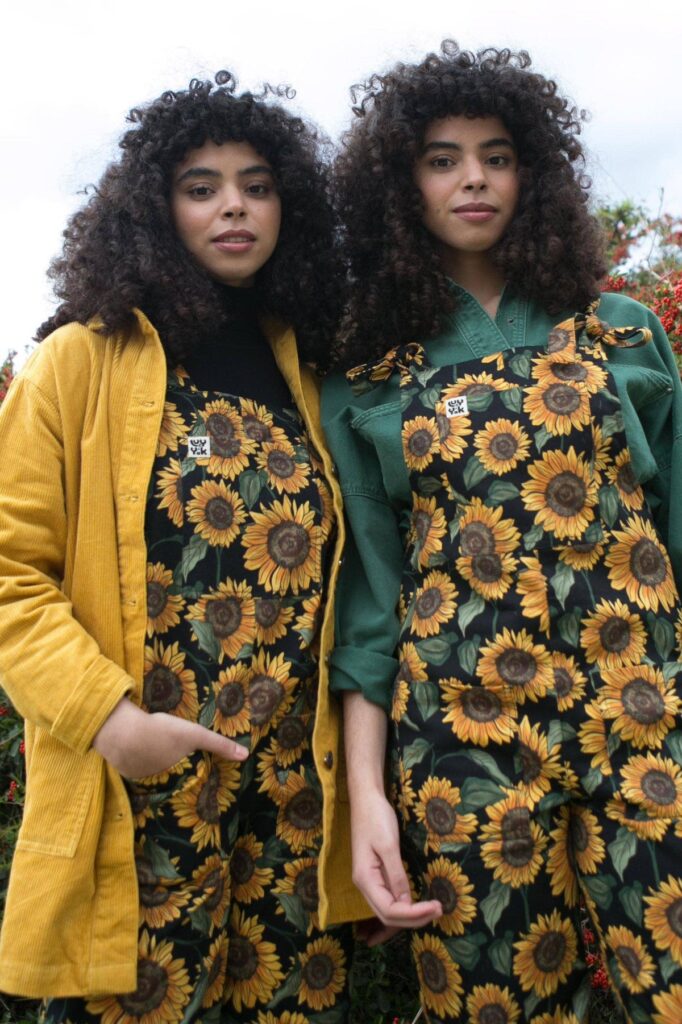
Sustainable fashion is about making clothes fairly and ethically protecting everyone in the process, from producer to consumer.
Why is it important?
Straight off the bat, if you are concerned about climate change and basic human rights violations, you should be practicing and advocating for sustainable fashion.
When you’re buying a dress for the house party you have at the weekend it’s easy to pick style over substance, but it’s time to start seeing the damage that went into making that sparkly blue number.
Instead of thinking sparkly blue, think big blue – big blue sea.
The fashion industry uses 10% of all the water used industrially to run factories and clean products. Textiles dying ie. making the sparkly blue dress blue, results in toxic chemicals being routinely dumped into our ever-suffering ocean. Approximately 20% of the wastewater worldwide has come from this dyeing process. If only we could make this a dying practice.
Synthetic materials are the primary culprits that cause plastic microfibers to enter our oceans. As we all know at this point, plastic takes a mighty long time to degrade, on top of that, it can be incredibly devastating for marine life.
And as if all this wasn’t enough. The fast fashion industry is so wasteful that 57% of all discarded clothing ends up in landfill. And when landfill is full, everything goes off to the incinerator, which means more toxic pollution and harm to surrounding areas.
How can you help?
The best way to help, is to start developing awareness of what you are wearing and where it is coming from.
Sydney Cassidy is a classic example of this.
Her British brand, Sydney Cassidy, describes itself as creating environmentally conscious, meaningful clothing.
Owner Sydney Cassidy (the company’s namesake), 24, explained that she was inspired from a young age to create durable clothing: “I have always been super creative…. I was primed as a child, I would always watch project runway, catwalk, I have very vivid memories of that.
“I don’t have a background of creatives, I work out of my grandmother’s house, that’s where my studio is,” she told Holloway Express.
“My family have always been super resourceful. I grew up seeing my role models being really resourceful, pushing products, repairing things. I have very much been immersed in that.”
“Because of them, I’ve always had an appreciation for things that were made to last.”
Sydney Cassidy primarily uses fabrics made from natural materials only such as silk, wool and leather and are all cut and sewn in house, in the London studio. – Sydney Cassidy website.
Cassidy still uses animal products but ensures that they are source ethically, she works hard to use offcuts that often would have otherwise been thrown away.
“You’re never going to hit sustainable practice from all angles. It’s kind of picking and choosing, and trying your absolute hardest.”
Sydney Cassidy
When Cassidy can’t get offcuts, she tries to source British only materials so she has a clearer understanding of where her products have come from.
“I love this idea of supporting home.”
Cassidy went on to tell a story about how she had recently sourced a bulk load of leather from a Netflix series that had been axed.
Cassidy’s savvy attitude creates an inspiring example for us all to follow. You can visit her online store at:
Leave a Reply