

By Sahra Sancar
For most people, having a mental health condition is not always easy to talk about – nor is it easy to spot. If someone has vitiligo – a skin condition – you can see it. But if someone has anxiety, you often cannot.
Due to its hidden nature, many mental health problems often go unnoticed. Sadly, that means that people often suffer alone. This is why having more open and safe spaces for people who struggle with their mental health to talk about can really help, as it makes them feel noticed and heard.
When the word ‘student’ comes to mind, people subconsciously associate the word with being young, having lots of possibilities and enjoying life. However, being a student can be one of the most challenging times in a person’s life. Students face immense pressure to succeed from their families and teachers and have a heavy workload which leaves little time for themselves.
When the Covid-19 pandemic hit, teaching quickly moved from in-person to online and students felt this impact greatly. Miski Ahmed Mohammed, 21, experienced anxiety and depression during the pandemic.
The law student at the University of Westminster hopes to one day be an environmental, social and governance lawyer, and talks openly about how her experiences have negatively affected her mental health.
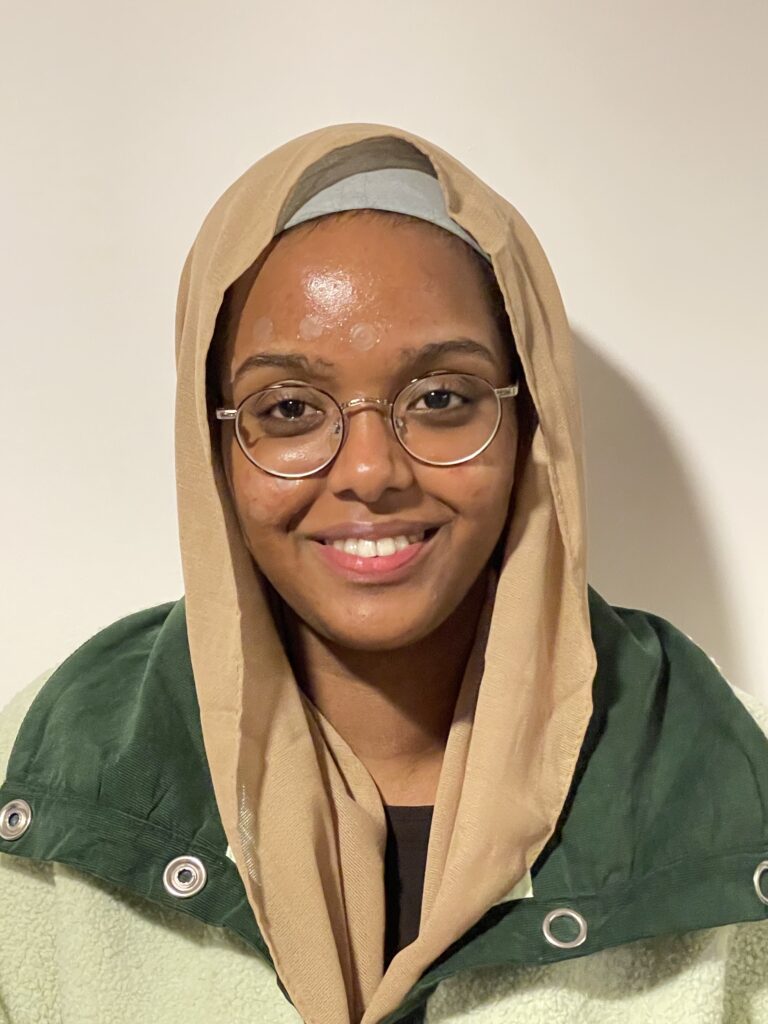
Uncertainty over the future was a big trigger for her anxiety. “It escalates because you don’t know what is going on and it makes you overthink, when will I be on campus, what about my student finance, will I make friends?”
Online learning was especially difficult for the first-year law student, she says.
“I didn’t know what was expected of me, it wasn’t clear how to write essays and I felt like I wasn’t doing enough.”
She explained that being in the same environment all day every day with no change of scenery could “be quite depressing, as you’re doing the same thing every day”.
However, she thanks finding a therapist to speak to as the thing which has helped her the most. She is now working on her mental health to deal with her anxiety and depression and advises others who share the same struggles to reach out for help like her.
Veronica Oliani, 21, is a Human Nutrition student here at London Metropolitan University and is someone who has always been vocal about her struggles with mental health. She struggles with anxiety, binge eating disorder, bulimia and seasonal depression.
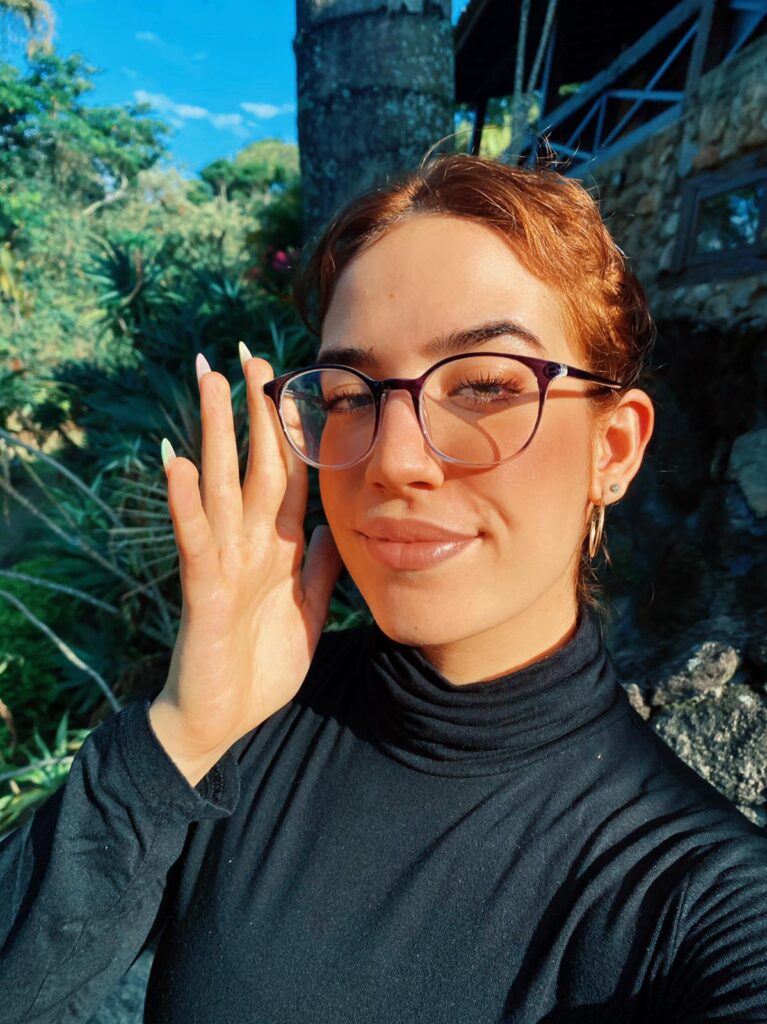
When Covid-19 was declared a pandemic, learning moved online causing many students as well as Veronica to struggle with this change. Having been stuck indoors for many months she explains that the pandemic is the reason for her feeling less social.
“I find it really hard to be in large groups of people nowadays, and I’m constantly worried about my appearance. I feel like the lockdown days also made me very self-conscious about my eating habits and how I looked weight-wise.”
As time passed and restrictions started to lift, universities began to open again which for first-year students who spent their whole year online found it hard difficult to adjust to in-person teaching.
for Veronica the shift wasn’t all bad as she explained that she feels better since having in-person classes again as “being surrounded by actual human beings was comforting and less lonely and making friends was so much easier too.”
Mental health is very important, especially for students, who are at times under immense pressure, which is why most universities have support to offer to students. Veronica explains that her university has a counselling programme although she’s never used it as she has her own therapist.
Some healthy coping mechanisms that she has adopted is exercising often, drinking water and getting enough sleep. She also explains how doing this she likes such as singing, calling her loved ones and drawing are all things that have worked for her.
Some advice she would give to students currently struggling with their mental health is to take care of themselves as she believes that “the moment you start taking care of your body and mind, your body and mind will take care of you.”
Leave a Reply