
By Efstratia Nasiolua
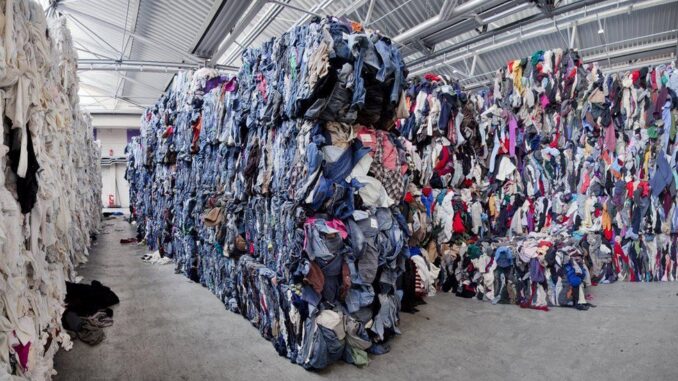
It is well known that the fashion industry has a major damaging impact for the environment, as it emits more carbon than international flights and marine shipping combined. This is especially true of fast fashion brands that use sweatshops in order to produce their products, while throwing their waste into rivers and oceans.
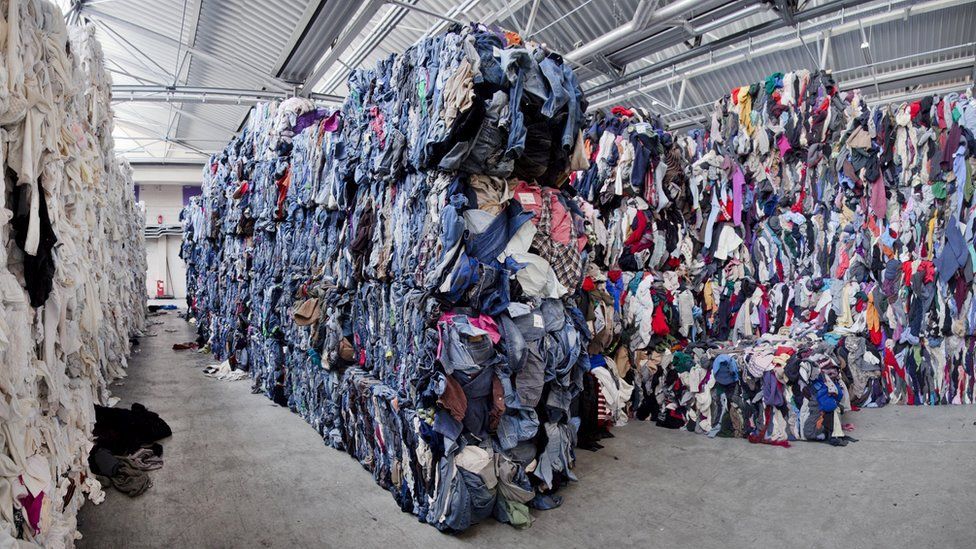
But this is not the only way fashion has a bad impact for the environment. With fashion trends that are constantly being updated and a pervasive social media mindset, people feel the pressure to buy new clothes now more than before. The pandemic has meant that many people have found “escape” in online shopping, and the replacement of the “new” with the “old” is a common mentality that the fashion industry pushes to buyers.
Waste in fashion happens in many different ways, and even though many brands have turned to sustainability, it’s a sad fact that the fashion industry cannot be 100% sustainable and environmentally friendly. However, charity and thrift shops are making a major difference when it comes to shopping, allowing us to recycle already worn garments.

Thrift shops and upcycle fashion made a major appearance in the past few years, with many people loving vintage pieces and ’70s and ’60s fashion trends making a comeback. It seems that people are starting to understand the bad impact of fashion, and are ready to embrace a new era.
Sustainability is the future of the industry. Or is it?
Many luxury and high street brands have already made adjustments toward a more ethical future. But for many of them, these changes are only for publicity.
Despoina Kaklamanos, an ex- retail worker of a really well known, luxury fashion brand, shone a light on what is happening behind the closed doors of those fancy stores. “After the period that we have to wear a specific uniform passes, our managers put pressure on us to cut the garments in front of each other and throw them in the bin.”
She said that the uniforms she used to have to wear cost over £600. “The first time they make me do this, I cried,” she confessed.
The question remains, why don’t those luxury shops just gift their unwanted pieces to charity, or donate them to a good cause? The answer is unclear – but this phenomenon of garment waste is well known also to brands.
Orsola de Castro is the co-founder and creative director of activist group Fashion Revolution, which lobbies brands on production transparency. She describes this as fashion’s “dirtiest open secret” and says that she was waiting many years for stories like this to be public.
The BBC contacted 35 high-end designers and high street retailers to ask about their practices and only six replied with breakdowns or further information, as the rest said that they don’t want to respond.
Leave a Reply