
By Carolina Pedrajas-Botella
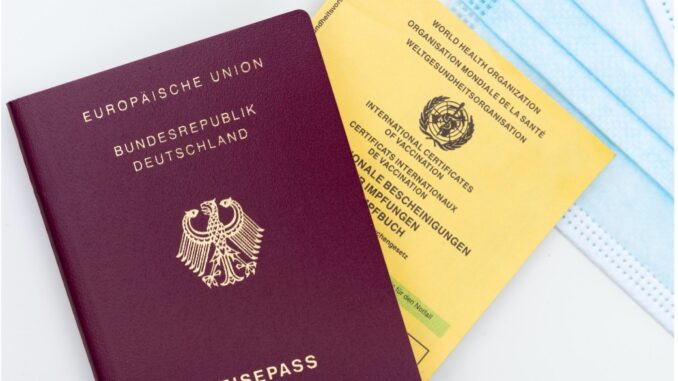
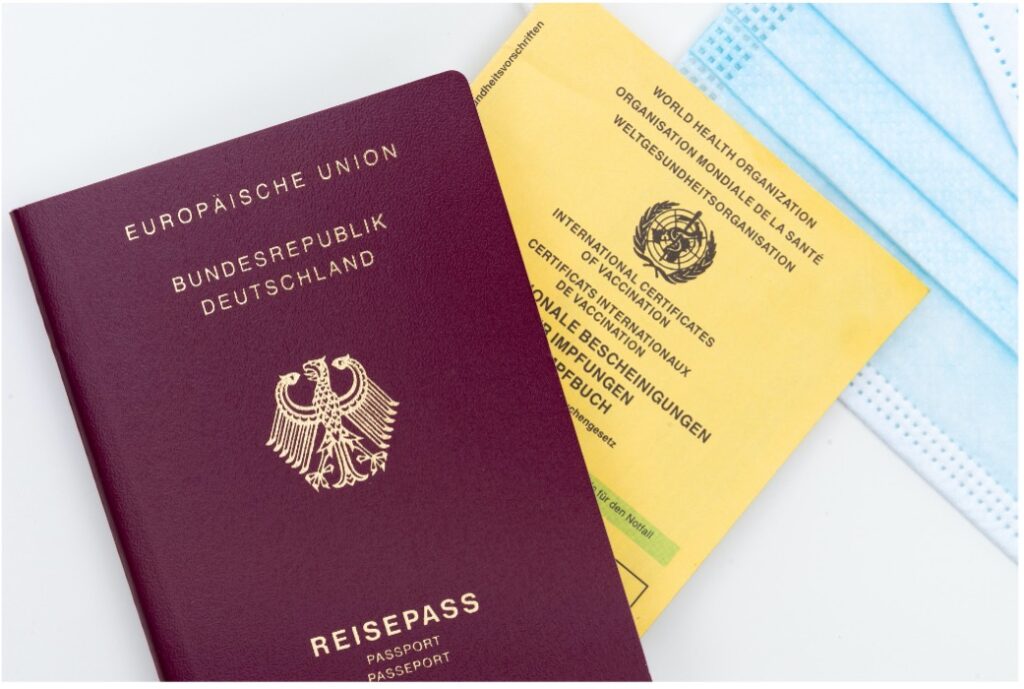
COVID-19 has led many countries to consider making a COVID passport. The European Union is working on creating a COVID-19 certificate. This will allow vaccinated people to travel and help to reactivate the economy around Europe.
Every time a country opens its borders and lets tourists in the country, cases have been going up. This will protect every country, and allow everyone to go back to normal as soon as possible.
Some countries have already created a vaccine passport, and will only allow people who can show proof they have been vaccinated against COVID-19 to enter their country. Even some cruises planned for the following summer will only allow people who have been vaccinated on them.
But not everyone can get vaccinated, and this is causing controversy around the world.
“I’m extremely supportive of COVID passports as an effective way of keeping people safe and of incentivising vaccination. … As long as there are exemptions for those who, for medical reasons, can’t be vaccinated, I see no problems with this at all,” says Gabriel Kanter-Webber, 29, trainee rabbi.
On the other hand, a 29-year-old, nurse, that goes by the name of Fruzsina K says: “Introducing a COVID passport is totally discriminating.” She believes that there are not enough studies to know what the vaccine side effects could cause in the long term.
Fruzsina K also explained that according to clinicaltrials.gov, Pfizer and Moderna are still in a trial phase till 2022/23, and the AstraZeneca vaccine has been suspended in many countries because it has raised some concerns regarding blot clotting problems. “It’s not just discrimination, but it’s dangerous at this point,” she said.
According to the BBC, France and Germany say that it could be too early because the data on vaccines’ efficacy is incomplete, and we still don’t know if the vaccine prevents a person from carrying or passing on the virus. “There are also concerns that enabling a vaccinated minority to enjoy foreign travel while others, such as young people who are not seen as a priority for inoculation, continue to face restrictions would be discriminatory,” said the BBC.
Leave a Reply