
By Shaelyn Stout, Francesco Fiori, Ole Ho Christiansen, Andreea Gabriela Totoasa and Efstratia Naioula
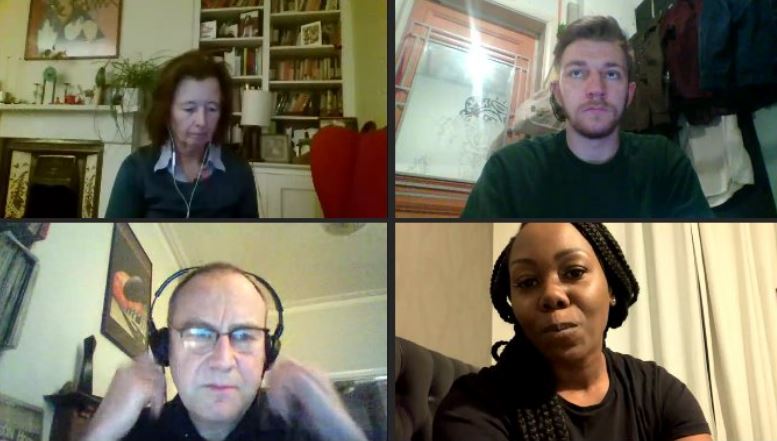
On the 19th of January 2021, students, staff and special guests at London Metropolitan University participated in a remote discussion regarding food poverty called ‘Hungry London’.
A panel of seven charity workers and food poverty campaigners joined the remote Collaborate meeting to give their opinions on the issue.
The debate covered the recent school meal scandal, how Covid-19 has impacted food poverty rates and why more people than ever need help to feed themselves and their families.
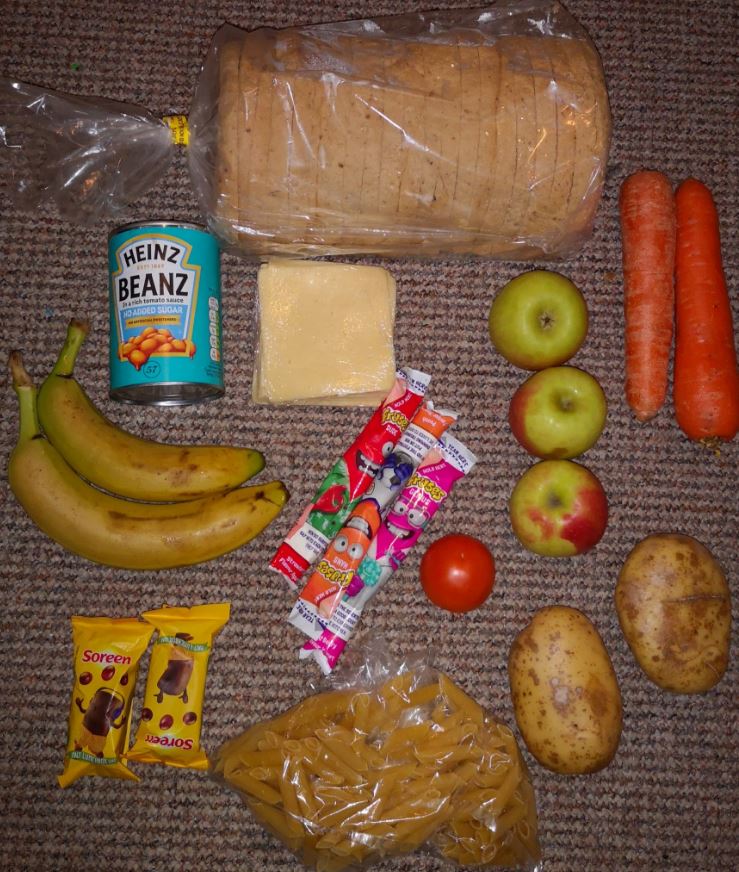
Earlier this year on January 12th, parents across the UK were shocked to find what the government considered to be ‘enough’ for students to be properly fed for 10 days.
Inside many of these food parcels was a loaf of bread, three apples, two potatoes, one tomato, one can of beans, two bananas, eight slices of cheese, two carrots, two Soreen snacks, three Frubes and a bag of pasta. For many families, this is an unacceptable amount of food that cannot feed a child for five days, let alone 10.
One of the highlights of Hungry London was when Tiffanie Cummings, 38, a university student, healthcare worker and mother of three shared her own experience growing up in poverty.
When asked to comment on the impact poverty can have on children’s mental health she explained, “This has always been happening; Covid has just highlighted it. I’ve lived through poverty and know how it can affect learning and personal growth.”
Tiffanie herself received the food parcel for each of her two teen children. She found different food in hers than had been reported on BBC News and by @RoadsideMum on Twitter, but still not enough to last her children for 10 days.
She notes, “I received two blocks of butter, two squares of cheese, two bags of pasta, broccoli, cucumber, four apples and a box of eggs. Times that by two because I got one for each of my kids.”
Tiffanie expressed gratitude for this parcel, but reiterated that she is lucky to be able to fill the nutritional gaps on her own dime. Many families cannot.
Moreover, she opened up by sharing her own experience: “When you are the child getting free school meals, everybody knows you come from poverty, that you are poor.”
Immediately students, staff and other guests participating in Hungry London started commenting on how inspiring her story was and thanked her for sharing. Founder of Magic Breakfast, Camel McConnell chimed in.
“Tiffanie you are inspiring. Your kids are very lucky.” McConnell continued by mentioning how fortunate many kids who are part Magic Breakfast would be if they had a mother like her.
Anne Elkins of The Felix Project, noted with vigour, “[The food provided by the government in free school meals] is not enough. And likewise, the quality of that food is not where it needs to be.”
Strong words from Anne, though she mentions she is not an expert in free school meals. Elkins manages the The Felix Project, a charity that redistributes food from suppliers to food banks and other charitable organisations.

Founder of Brixton Soup Kitchen Dr. Mahamed Hashi adds, “This government is so out of touch.”
He explains that, without speaking to those in need, politicians who have never experienced poverty will not provide support. They simply don’t understand the issue of food poverty and how it’s worsened over Covid because they don’t see it where they live, work and travel.
Dr. Hashi says the best solution would be for the government to introduce free vouchers instead of food parcels or meal boxes. Then everyone will be able to buy what is appropriate for their children.
Unsurprisingly, food banks have met their highest demand since the pandemic hit last year. With many being made redundant, losing their homes and the like, poverty levels are only expected to increase.

Photo by Ryutaro Tsukata via Pexels.
As the conversation progressed, students and guests started talking about the possibility of people relying on food banks and potentially muting their need for support from the government.
Anne Elkins from The Felix Project explained that because people in poverty are getting help by charities like [the panellists’], their need for food and other necessities is quieted and the government continues to ignore the issue.
The discussion ended with possible solutions for overcoming food poverty. The guest speakers agreed that food banks can and will continue to help those in need, but that the lasting solution lies in policy change and adequate support from the government.
Leave a Reply