

Words and pictures by Filippo Ceccanibbi
Have you ever wondered what being homeless feels like? Have you ever walked down a street and felt invisible in other people’s eyes? This is only a glimpse of some of the things that nearly 170,000 people sleeping rough in London have to face every day.
“We are like ghosts; people don’t even listen to us. Once I had a glass stuck in my belly and I was trying to ask people for help, but everyone thought I was begging and just ignored me,” said Henri, 42, who used to be homeless and didn’t want to provide his surname.
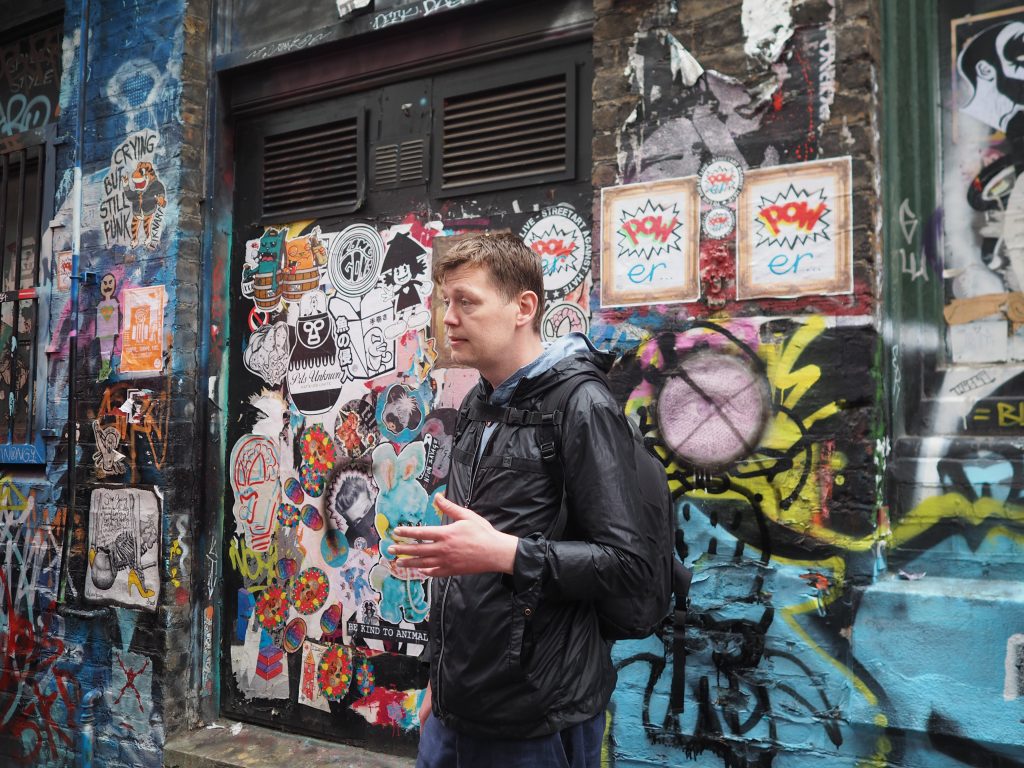
The worst thing that happened to him whilst sleeping rough was he was in a sleeping bag during the winter. A group of teenagers kicked and punched him in the middle of the night. He managed to get out of the sleeping bag and saw the teenagers filming him with mobile phones. He was left with several injuries; his lips were bleeding and his nose was broken.
Charities such as Crisis and Shelter try to tackle the problem of homelessness in the capital by offering temporary accommodation and assistance with education and financial affairs, as well as offering help with drug and alcohol abuse.
But now a new idea is catching on. In the same way as The Big Issue helps homeless people help themselves, Unseen Tours provides them with full-training as tour guides. Inspired by a small charity doing similar work, it was set up in 2010.
Henri, one of the first homeless people involved in the project, graduated with an interior design degree from a London arts college. He became homeless after he got divorced and lost his house. He slept rough in a tent in East London for about two and a half years before he was offered training as a tour guide. He has been working for Unseen Tours for almost 10 years since then.
“When I got involved in this project, I was really happy and excited at the idea of getting myself together again, and I did everything I could to make that happen,” he said.
Henri, 42, was born in the Netherlands and moved in the UK in 1995 when he was 18 years old to follow his dream of becoming a sculptor. So it makes sense that his patch covers Shoreditch, with his tour starting at Old Street station and moving around the most interesting and eye-catching street art venues of the area. Other tours go to Camden Town, London Bridge, Brick Lane, Covent Garden and Soho.
Unseen Tours now works with 20 formerly homeless people – Henri is just one success story. The charity helped him stop living on the street, and although he doesn’t own his own home yet, he now lives in a bed and breakfast with his dog Tanya. Henri’s biggest dream is to get a house for the two of them.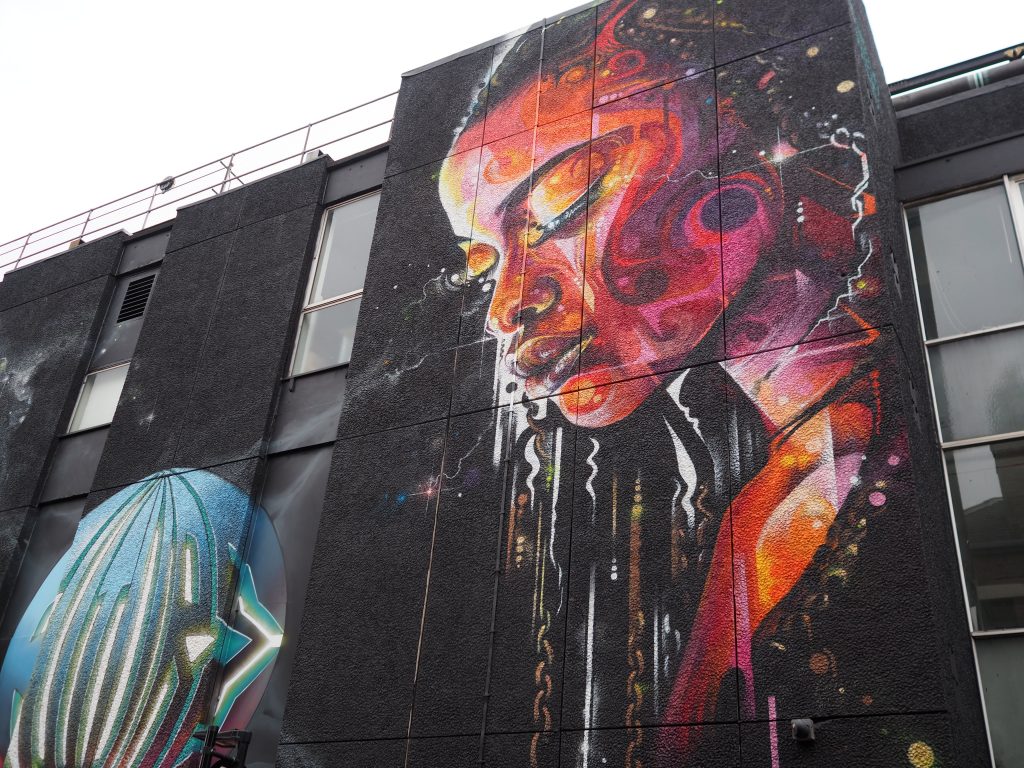
Street Art in Old StreetEvery tour ticket costs £15 for adults, £12 for children, unemployed, students and over 60s. Sixty percent of the ticket price goes into the guides’ pockets, while 40 percent funds expenses (such as mobile phones for all guides as well as essential operational costs of the organisation). The only downside of the tours is that after winning many national awards guides are no longer paid cash but a monthly salary. This means that recruiting new tour guides is more difficult than before because a homeless person will often find it hard working for a month without receiving any money at all.
Many homeless are turned away from the project due to ongoing drug and alcohol abuse. “After being homeless for more than 10 years abusing alcohol or other drugs, there is no way for a person to get themselves together and go back to work again,” said Henri.
Lidija Mavra, 37, founder of Unseen Tours, and all other volunteers have the aim of not just helping the homeless to get off the streets, but also try to change people’s point of view on homelessness, to let people understand that being homeless is not a choice and that getting out of this position is not as easy as it could seem to be.
In addition, tour participants discover hidden places, which are usually not known or simply ignored by everyone. Every tour guide shows the area of London they know the best.
“When you take part in our tours you see part of London that are literally unseen in terms of conventional tours, but also unseen because you see the city through the perspective of a homeless person,” said Lidija.
You can’t argue with that.
Every tour is shaped and adapted to every guide in order to make it personal, and to allows the guides to tell their own stories and experiences. In fact, volunteers spend up to 6-8 months working with each individual guide, providing them with different kinds of training such as public speaking, self-confidence building and storytelling.
“I think our project is an example that every city having problems with homelessness should consider,” Lidija says. “It takes time to recruit the right people, and to train them, but here we offer a real opportunity of getting a full-time paid job and start a new life to the ones that are ready to fight for it.”
Leave a Reply