
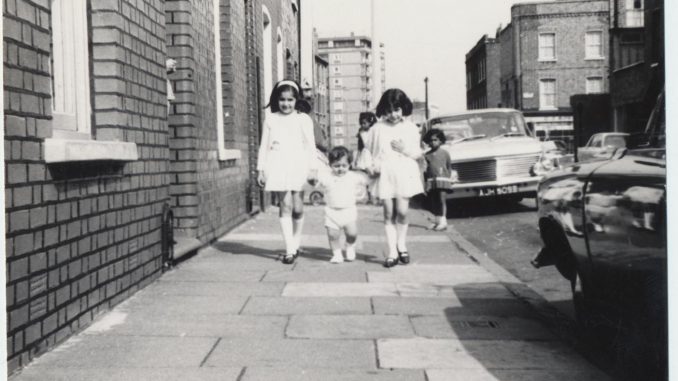
Islington during the 1970’s; the leftovers of gentrification during the mid 1800’s were still lingering, but the area was going through a big change. The west side of Caledonian Road was going through an upheaval that would affect many families – and the community as a whole.
Council houses, the new fad of the nation, were taking control of the area and many people, such as my mother and her family, were having their homes bought by Islington Council in order to build new homes for a new project that was intended to crack a housing crisis.
My mother grew up on Bingfield Street and the road we see today is completely different to what it once was – the street name still exists but not on its original site. Homes back then were traditionally three storeys and many also included tenants as well as families. For example, my family – my grandmother was the landlord – used to live downstairs, whilst the upstairs was let out. Often, three floors would be let out to three different families.
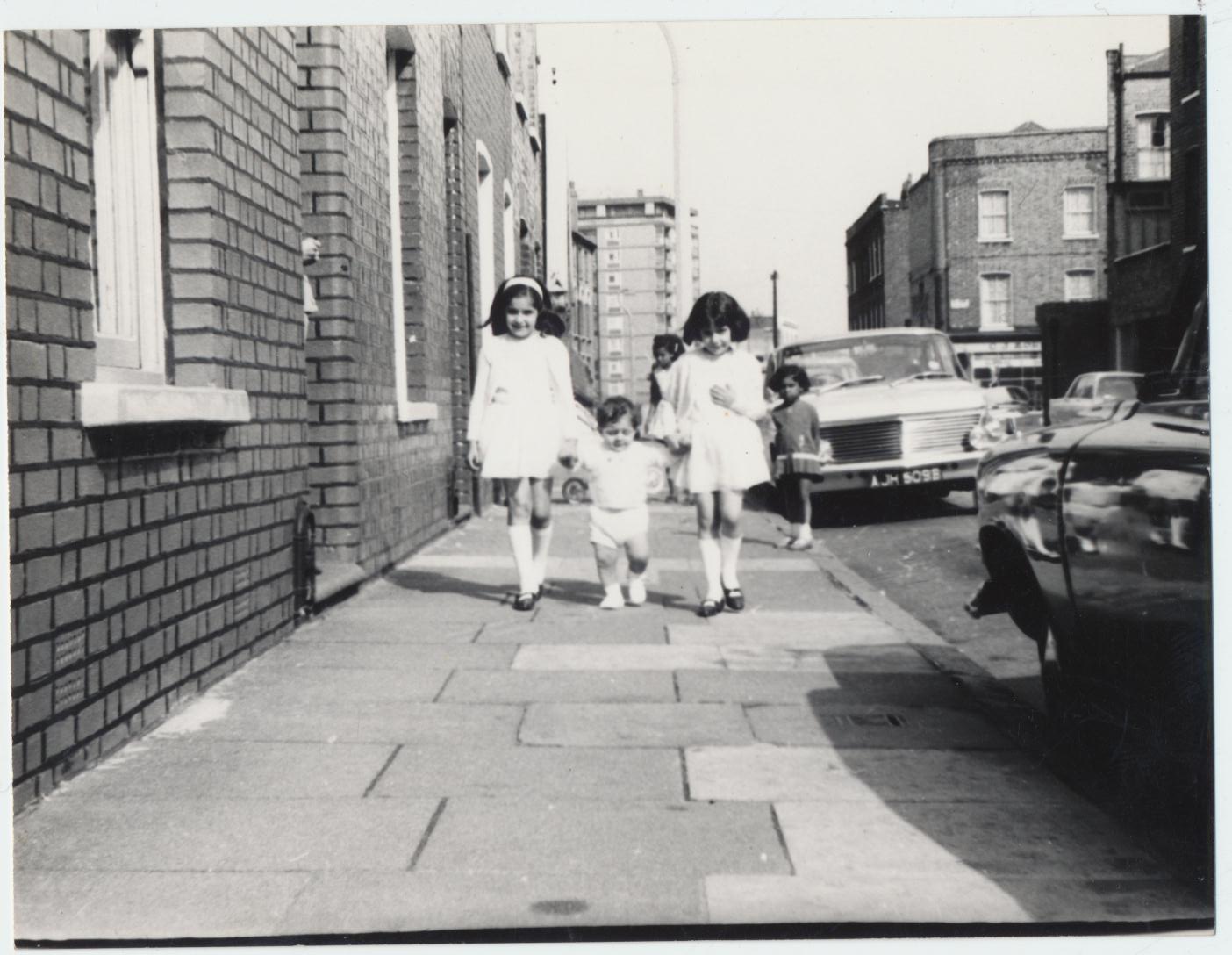
Luckily, for my grandparents, it was one family being uprooted, or paid off if you like, which I heard a number of people say as I walked around the area meeting locals. But the people of surrounding Caledonian Road, or the Cally, did not leave their homes so easily. Many protested.
“I remember my mother screaming at surveyors and council workers to stop ripping families apart,” said Giles Davidson, 67, a taxi driver who once lived on Copenhagen Street and had to move into one of the new council builds as a child. It wasn’t an easy time, he said, as the distances between different sectors of society were made even bigger.
Architect George Thornhill made the original plans to develop the Kings Cross area in 1808. And after his death, it was his son who inherited his work and began overseeing development. The original plan: gentrification.
All was going well and the homes that we can see today in Richmond Avenue or Bridgeman Road are those built to these original plans. But then a new building from a different architect was erected, which completely changed the area and halted these plans.
The completion of Pentonville Prison completely stopped any development in the area, hence why architecturally there is a big difference between homes on the east side of the Cally and the west.
Many children growing up during the 60’s and 70’s hardly visited the eastern side. It was “posh” and “full of well kept people”, said Marianne Marona, 71, who is now retired. Despite her feelings, she refused to leave the area because she didn’t want to leave her community. The same community spirit that was strong during her youth is still prevalent today.
Every corner had a pub and supermarkets never existed. Your weekly shop was done by visiting the local butchers or dairy, and milk was delivered by the milkman. There was also my grandmother’s pet hate: the coal man, who delivered the coal for fireplaces and would dirty the walls as he walked through the house to drop the coals at the end of the garden.
Electricity and gas reader visits never existed. Residents were required to put coins into their meter to generate fuel in their homes. A number of ‘con-artists’ found the trick to creating a small opening which would allow the coin to fall out, so they could use the same coin every time. “That was until my mother found out,” said John Medley, 83, who was a bus driver throughout his entire career. “I’d get a good hiding every now and then but it was all to save money. Things were good back then, but they were hard also.”
A strong sense of community can still be found today along the length of Caledonian Road. Andrew Panayi owns many of the shops down the road and has helped keep the traditional look of his shop fronts. Many pub owners also make a conscious effort to not change their exteriors, but traditional stores – such as the butchers – have gradually disappeared, with the Co-Op being the local supermarket.
“It’s easier being an adult in the area now than when we were children. As a kid it felt different in that we were happy with skipping ropes and chalk, and we never felt threatened, especially when playing in the streets,” said my mother, Androniki Christopher, 57. Not being English “didn’t mean a thing”, she said, as the community was very multi-ethnic, with people of Greek, English, Irish, Asian and Caribbean descent. The Cally was very modern and ethnicity didn’t mean a thing growing up, she said.
Caledonian Road had its moments of fame. Two movies were filmed on Bingfield Street; and one included Cliff Richard in the cast. On the corner of Copenhagen Street is where the Sutton Arms once stood – a pub bought by Arsenal footballer Frank McLintock. Sporadically a Ford Capri would zoom by, containing the cast of the Professionals, who frequently filmed around Islington.
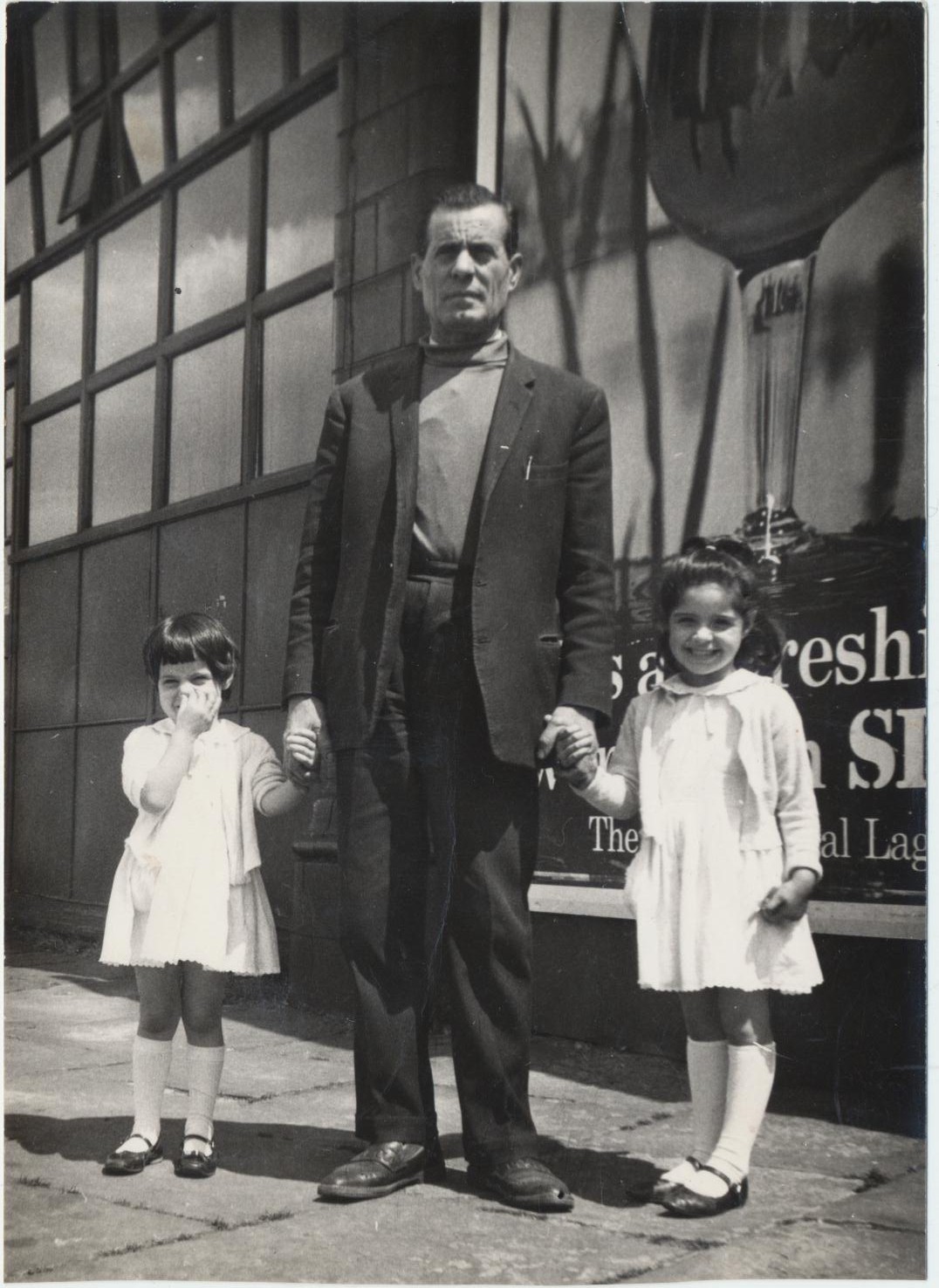
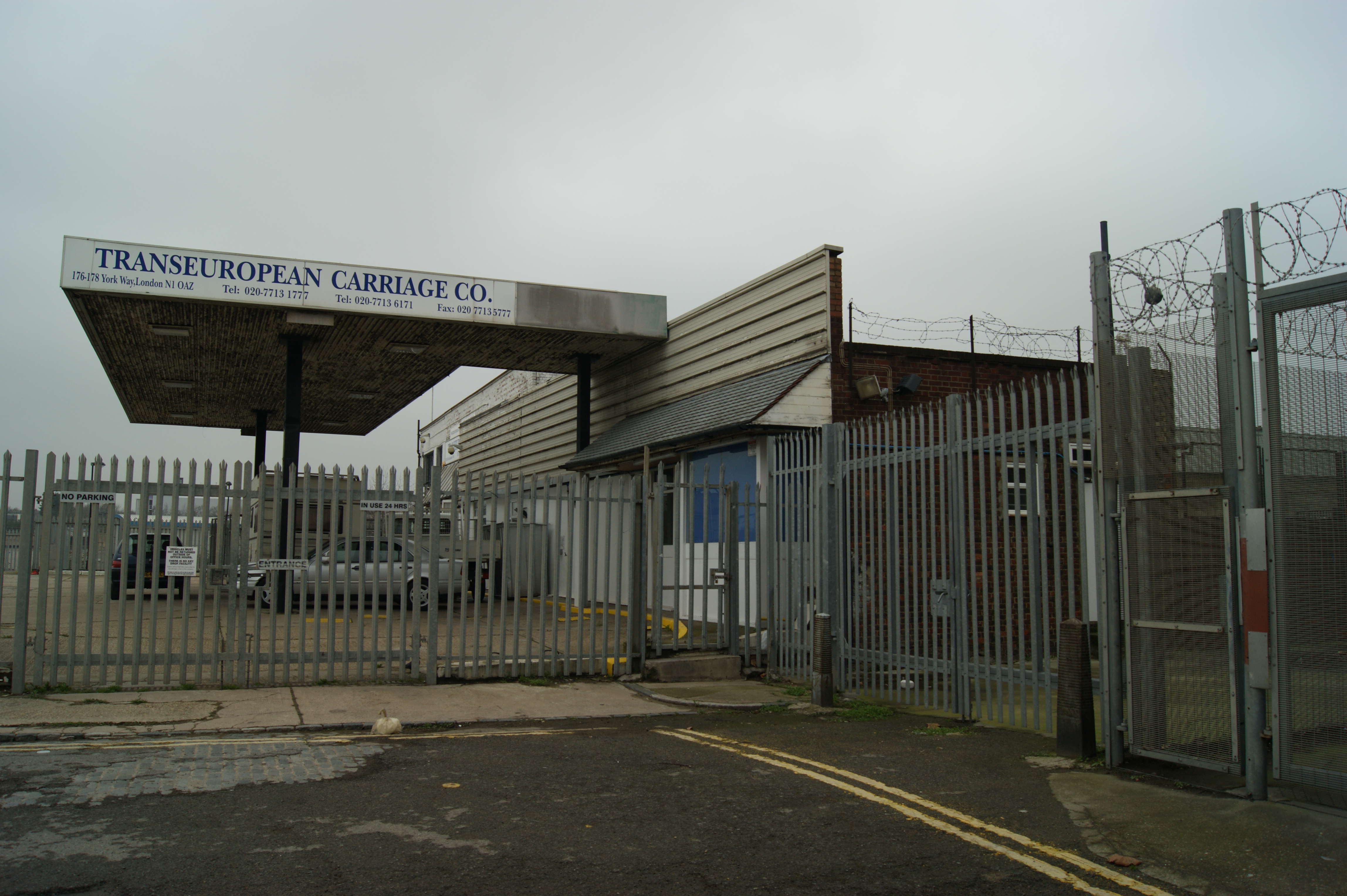
Many remnants of the past still stand. York Way Station still stands strong, staring out onto the tracks worming its way out of Kings Cross St. Pancras. The station used to be a link between St. Pancras and Caledonian Road station on the Piccadilly line until it was shut down in 1937. My mother has photos of her outside the station when she was a child, as well as a garage right next to the station – this has slightly modernised, but still exists in the same place.
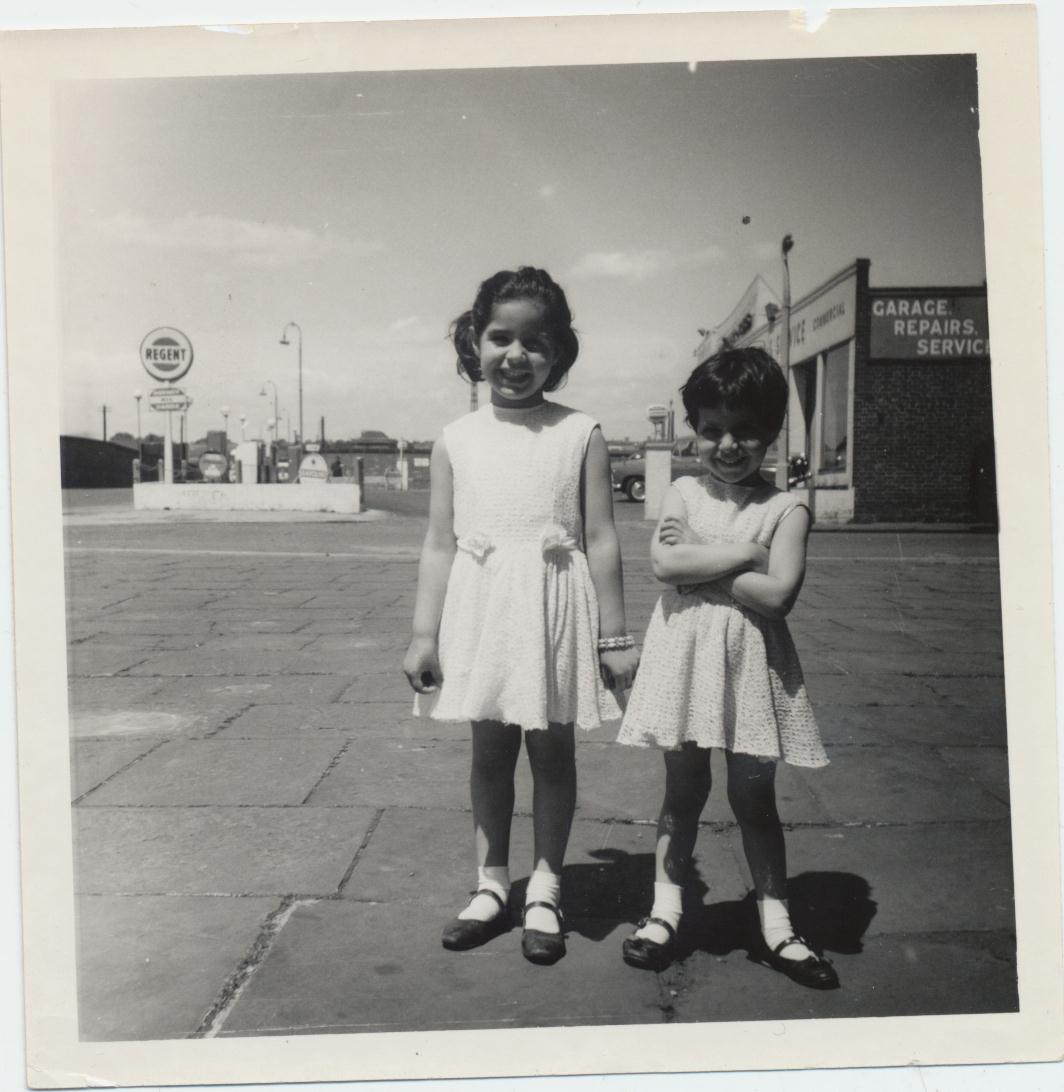
The world is changing but Islington still has a hold on the past. It draws artists and all types of eccentrics from around the world, and the Cally especially seems to have retained that special spark. “I can’t imagine living anywhere else in London,” said Luca Verdi, 29, who is doing his masters after moving to London from Italy.
The Willy Wonka-esque sweet shops may have disappeared, as well as pubs with two entrances – one where kids would buy their father’s evening tipple and the other a seating area. But the Cally is still going strong, and, surprisingly, it still has affordable pints so close to central London.
Who remembers Woolworths and the wimpy bar at the bottom of bingfield Street and lets not forget the adventure playground
and Roer Moody god rest his soul.
Thanks for posting this article and photos. My mums uncle lived at 91 Bingfield Street in the late 50’s 60’s. They were of Greek Cypriot origin. Looking at the top photo of Bingfield Street, i’m not sure what end it’s facing as that is not Caledonian Road in the background and it can’t be York Road either. I’m a bit confused