

Fashion Revolution is back, bringing its annual week of ethical fashion awareness on the fifth anniversary of the collapse of the Rana Plaza in Bangladesh, which killed more than 1,000 people.
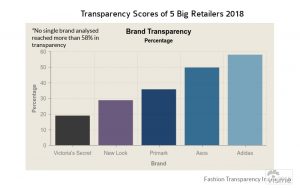
Fashion Revolution, which takes place between April 23rd – 29th, is a campaigning body that aims to bring transparency to the world of fashion through asking consumers to consider where their clothes are made, and by whom. In a society of fast fashion lovers, it is easy to forget that people across the world are working day and night to provide garments for the fashion industry.
The campaigning group is running free events and resources across the world this week, to promote and educate about ethical fashion practices. UK events include the ‘Fashion Open Studio at Vivienne Westwood’ on the 25th April from 15:00 – 17:00, which is accessible to all.
“While we are seeing companies share their policies and commitments on human rights and the environment, there is still much crucial information about the practices of the fashion industry that remains concealed — particularly when it comes to impacts on the lives of workers in the supply chain and on the environment,” the Fashion Revolution website states.
The organization encourages people to ask their favourite brands ‘Who Made My Clothes?’ on social media, to challenge big companies to be transparent about their processes.
One twitter user tweeted yesterday “Hi @ZARA I love your style, but I’ve stopped shopping at your store until you’re more transparent about #WhoMadeMyClothes. Could you tell me who made this sweater?”
Another twitter user said: “it’s #FashionRevolutionWeek with today marking 5 years since the Rana Plaza Factory collapse. This week, by asking fashion brands #whomademyclothes we can keep putting pressure on companies to improve their transparency, sustainability & accountability.”
Wages in garment factories that supply clothes to the developing world can earn less than £2 per day, often working in unsafe conditions. It’s estimated that one in six of us work in the global fashion industry.
Fast fashion has a negative impact on the environment as well as workers. According to The Green Hub, approximately “7,000 litres of water are needed to produce one pair of jeans (the amount of water one individual drinks in 5-6 years)”.
Holloway resident Safa Rangel, 36, said that she did not think about who made her clothes: “I’ve never really thought about it but now I think of it, it is quite scary really like they could be made anywhere.”
Another local Londoner, Josiah Diasi, 23, said: “It sounds bad but I’m more interested in price than where it comes from.”
For details of events and to download free Fashion Revolution Week resources, head online to
Leave a Reply